

The best time to visit Kenya is usually given as July to October. The green season, November to mid December, is the honest counter: fewer vehicles, lower rates, newborn wildlife, and an afternoon shower as the price of entry.
The best time to visit Kenya, answered honestly
Ask when the best time to visit Kenya is and you will usually hear July to October: dry weather, short grass, and the migration filling the Masai Mara. That answer is correct and it comes at a cost. Those months carry the year's highest rates and the most vehicles at every sighting. This post argues for the other answer: the green season, and specifically November to mid December, when the short rains turn the country green and the crowds thin out.
The catch is stated in the name: it rains. Usually not for long, and rarely all day, but an afternoon shower is part of the deal and an itinerary has to respect it. In exchange you get a Kenya that most visitors never see, deep green rather than dust brown, with newborn animals in the grass and half the vehicles at any given sighting. Whether that trade suits you depends on what you want from the trip, which is what the rest of this post works through.
Two rains, not one
Kenya sits on the equator, so temperature barely moves through the year. What changes is rain, and it arrives in two distinct seasons. The long rains run from roughly March to May, peaking in April, and they are serious: sustained downpours, heavy skies, and roads of black cotton soil that swallow vehicles. The short rains run from early November to mid December and behave differently. Mornings are typically clear, cloud builds through the day, and a shower arrives in the late afternoon, often finished by dinner.
When people praise the green season they almost always mean the short rains. That window gives you the colour and the quiet without the logistics of the long rains, when a number of camps close entirely and game drives can become recovery exercises. The long rains have their advocates, and rates fall furthest then, but they are a specialist's choice. For a first or second Kenya trip, treat November to mid December as the green season worth planning around and March to May as one to approach with open eyes.
What the rain buys you
The first gain is space. Kenya's parks in November feel like a different country from the same parks in August. A leopard sighting that would draw a queue of vehicles in peak season might be yours alone for half an hour. The second is price. Green season rates at the same camps drop meaningfully, and the saving can fund a better camp, a longer stay or a private vehicle. We have made the case for the off season at length; Kenya is one of its cleanest examples.
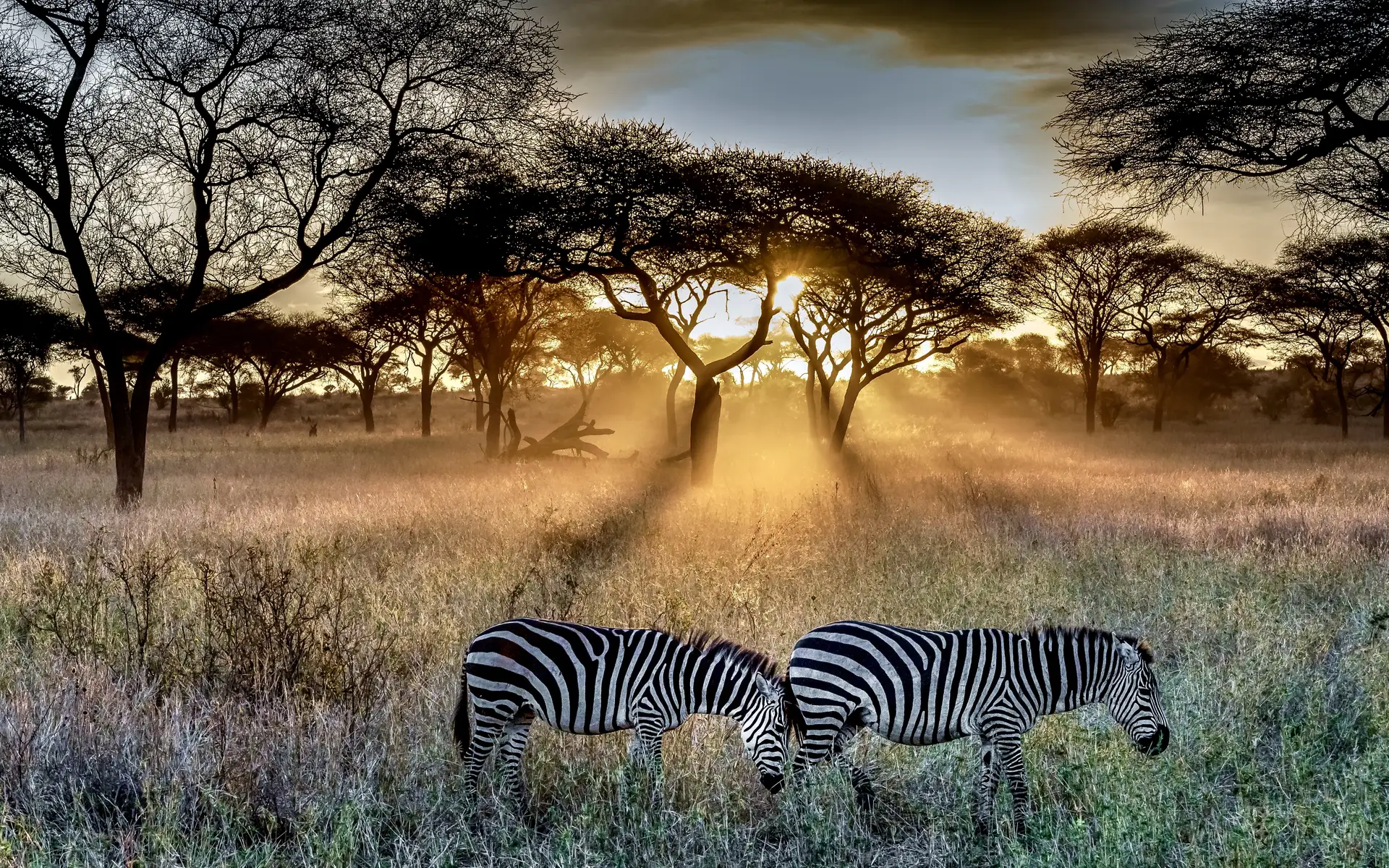
The third gain is the wildlife itself. The short rains coincide with birth. Wildebeest, gazelle and impala drop their young into fresh grass, which in turn draws the predators that follow them, so the drama does not stop when the migration leaves. Migratory birds arrive from Europe and Asia in November, which matters more than non-birders expect once a guide starts pointing. And the light is the best of the year: washed air, towering clouds, and green ground under dark skies, which is why photographers quietly favour these months.
What you give up
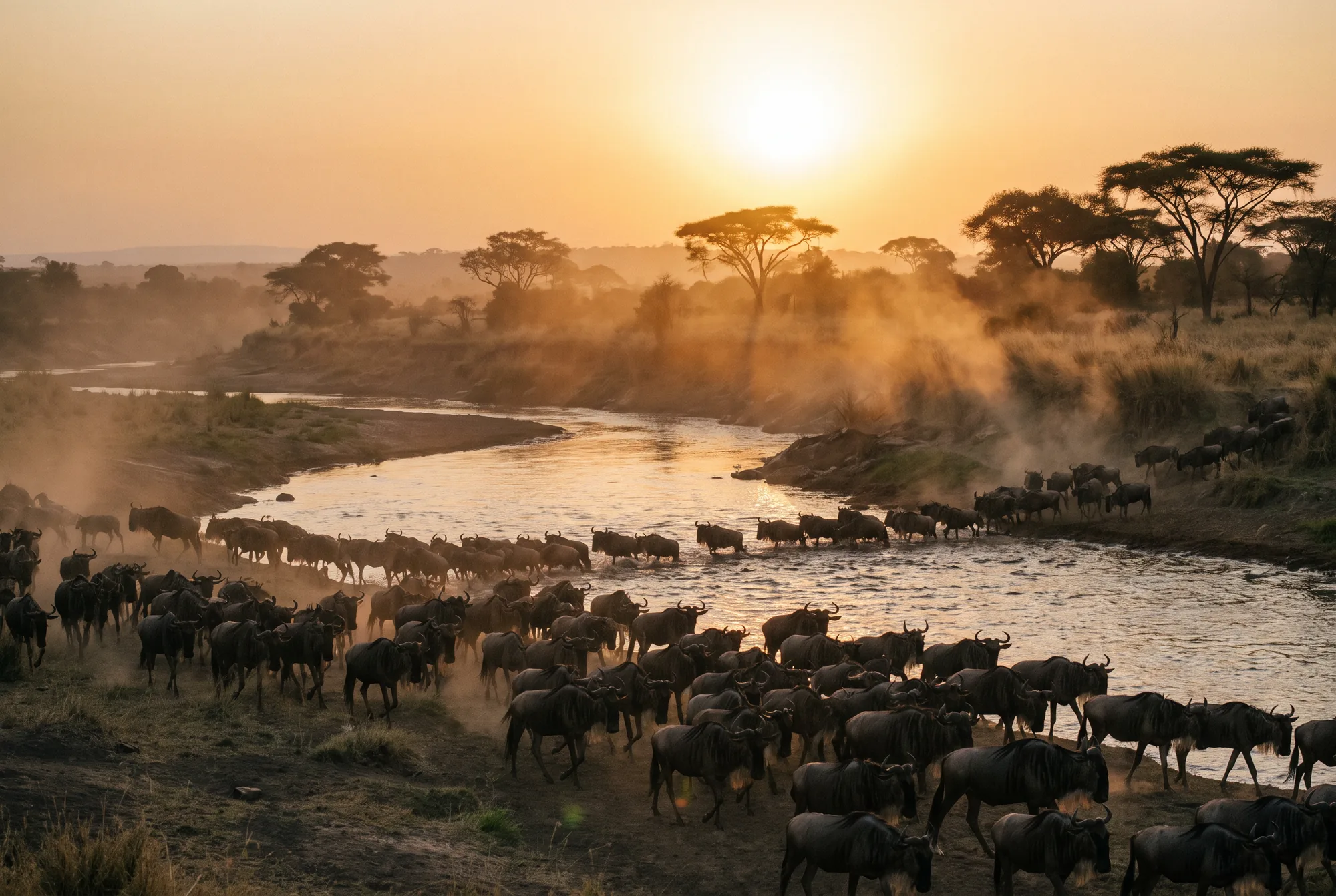
Be clear about the losses. The migration will not be there. The great herds are generally back in Tanzania's Serengeti by November, so if river crossings are the point of your trip, the green season is the wrong answer and no discount changes that. We have mapped the migration month by month if that is the deciding factor. Resident wildlife in the Mara, Laikipia and Amboseli remains excellent year round; it is the spectacle of the crossing, not the animals, that you forgo.
The grass is longer, so cats take more finding, and a good guide earns their keep in these months more than any other. Some drives will be cut short or rerouted by weather, and unsealed airstrips occasionally delay light aircraft transfers, so build slack into connections. Photography through a rain shower asks for patience. None of this is hardship, but a traveller who measures a safari purely in sightings per hour will count fewer in November than in August, and it is fairer to say so before you book than after.
| Months | Weather | The honest read |
|---|---|---|
| Jan to Feb | Dry, warm, still green | Quiet second window |
| Mar to May | Long rains, April heaviest | Lowest rates; some camps close |
| Jun to Oct | Dry season | Migration, peak rates, peak crowds |
| Nov to mid Dec | Short rains, afternoon showers | The green season sweet spot |
| Late Dec | Drying, festive demand | Rates step back up |
Choosing your window
Within the green season, timing is worth a week's thought. Early November can still carry October's dust while the rains find their rhythm. Late November through the first half of December is the sweet spot: the landscape has turned, the birds are in, and holiday pricing has not yet begun. From just before Christmas, festive demand arrives and rates step back up, so a green season trip is best finished before the school holidays start rather than run into them.
Nairobi is about five hours from Dubai, which makes a nine or ten day green season safari realistic without burning leave on transit. If your dates cannot reach November, January and February offer a second quiet window: technically dry, still green from the short rains, and warm on the coast. The full picture, month by month and park by park, is in the Kenya safari calendar; this post is the argument for one particular slice of it.
How we plan a green season Kenya trip
A green season itinerary is built differently from a peak season one. We favour camps in areas that drain well, keep light aircraft connections generous, and weight the day towards long mornings, when the weather is most reliable, with afternoons that can absorb a shower: a pool, a spa table, a hide overlooking a waterhole. We also lean on guides we know personally, because long grass rewards experience. The saving against peak season usually goes back into the trip rather than the bank: better camps, a private vehicle, an extra night.
If you are weighing the best time to visit Kenya for your own dates, party and priorities, tell us what matters most: the migration, the quiet, the price, the photographs. We will say plainly which months serve it and which do not, even when the honest answer is to wait for a different season. Start with a note through our enquiry page and we will come back with a considered view, usually within a day, and a green season route if the dates support one.
Frequently asked
When is the best time to visit Kenya?
For the Great Migration and guaranteed dry weather, July to October. For value, space and scenery, the green season from November to mid December is the stronger answer: short afternoon rains, deep green landscapes, newborn wildlife and far fewer vehicles. January and February offer a quieter dry window. The months to treat carefully are March to May, when the long rains close some camps and make travel harder.
What is the green season in Kenya?
It is the name safari operators give the rainy months, when the landscape turns from dust brown to green. Kenya has two: the long rains from March to May and the short rains from November to mid December. In practice, most green season travel means the short rains, when showers arrive in the afternoon, mornings stay largely clear, and camps remain open at reduced rates.
Is it worth visiting Kenya during the rainy season?
The short rains, November to mid December, are genuinely worth it for most travellers: wildlife is abundant, the parks are quiet, rates fall, and rain rarely costs more than part of an afternoon. The long rains of March to May are a harder sell. Rates drop furthest then, but downpours are sustained, roads suffer, and a number of camps close, so they suit repeat visitors more than first timers.
When is the best time to visit Kenya for the Great Migration?
The herds are typically in Kenya's Masai Mara from around July to October, having crossed from Tanzania's Serengeti, and river crossings are most likely in the middle of that window. Timing is driven by rainfall and shifts from year to year, so build in several days rather than banking on one. Outside those months the migration is in Tanzania, though the Mara's resident wildlife remains strong all year.
What is the weather like in Kenya in November?
November sits in the short rains. Expect warm days, clear or bright mornings, cloud building through the afternoon, and a shower that usually passes within an hour or two. Temperatures in the safari areas stay comfortable because of altitude, typically mid twenties Celsius by day, and the coast is hotter and more humid. Rain refreshes the landscape quickly, and full washout days are the exception rather than the rule.
When is the cheapest time to visit Kenya?
Rates are generally lowest during the long rains, from March to May, but that saving comes with real compromises: heavy rain, closed camps and difficult roads. The short rains of November to mid December are the better value play, with meaningfully lower rates than the July to October peak and far gentler weather. Prices step up again from just before Christmas through the New Year.
Is January a good time to visit Kenya?
Yes. January falls in a short dry spell between the short rains and the long rains. The landscape is still green, the air is clear, and the parks are quieter than in the July to October peak once the festive crowd leaves in the first week. It is also a fine month for the coast. For many travellers, January is the best of both seasons: dry weather with green season scenery.
Does it rain all day in Kenya's green season?
No. During the short rains, from November to mid December, rain typically arrives as an afternoon or evening shower and clears within a couple of hours. Game drives run in the morning as normal, and camps plan afternoons around the weather. All day rain is more of a feature of the long rains in April, which is the main reason we steer first time visitors towards the November window instead.