
Why we send couples to the Mekong in the green months, what changes when the rain comes, and the single best thing to pack for it.
There is a version of South-East Asia that exists only between May and October: quieter, greener, and almost entirely yours. The crowds have gone home, the rates have softened, and the light, after a short afternoon rain, is the kind photographers wait years for.
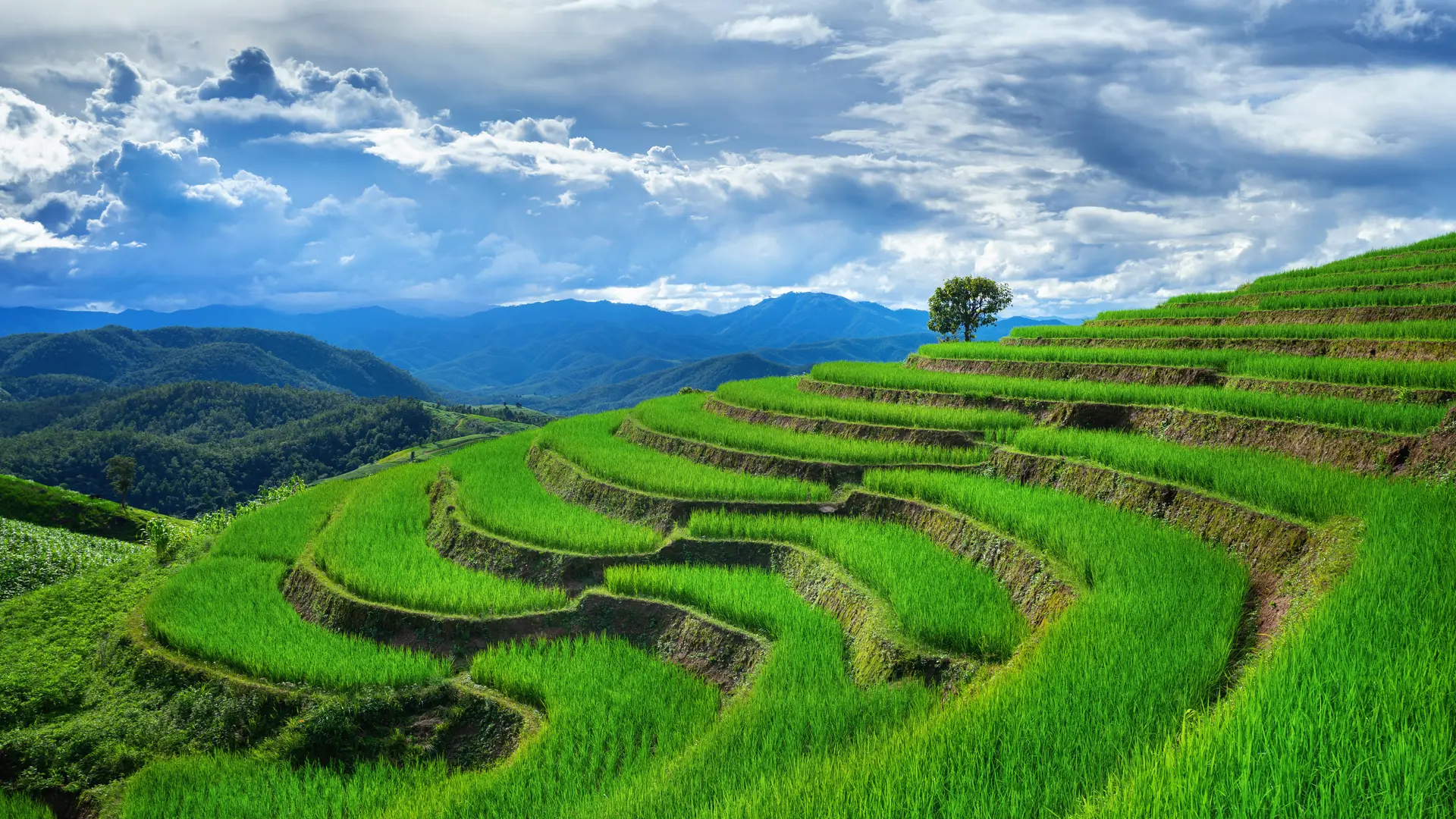
We send people to the Mekong in the green months on purpose. The rivers are full, the rice terraces are at their most vivid, and the rain, when it comes, arrives like a guest who knows when to leave: an hour in the afternoon, then gone. You plan around it the way you plan around a long lunch.
The single best thing to pack is not waterproofs. It is the willingness to change the morning. The travellers who love the green season are the ones who let a downpour move breakfast later and a temple visit earlier, and who understand that the empty afternoon afterwards is the part they will remember.
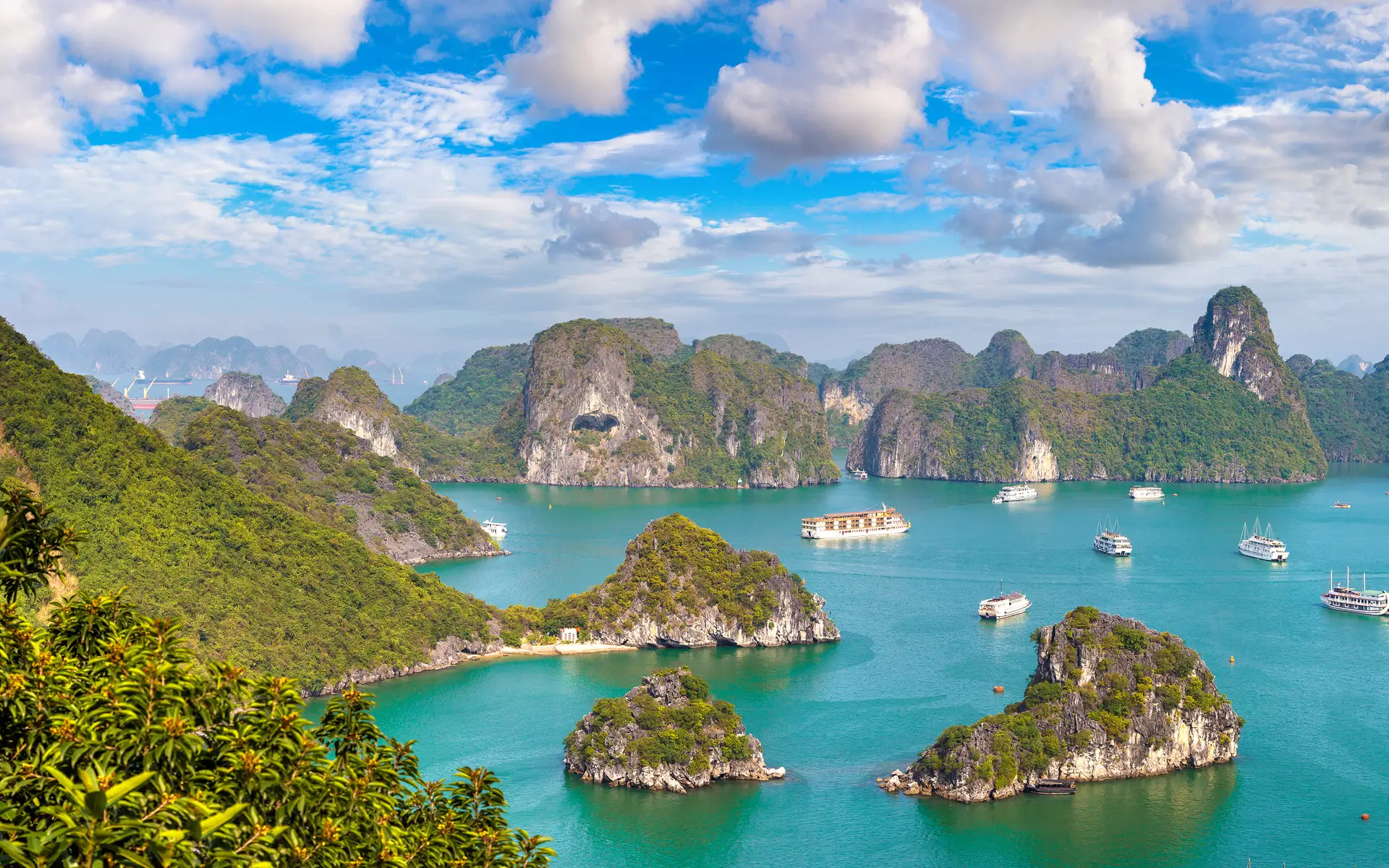
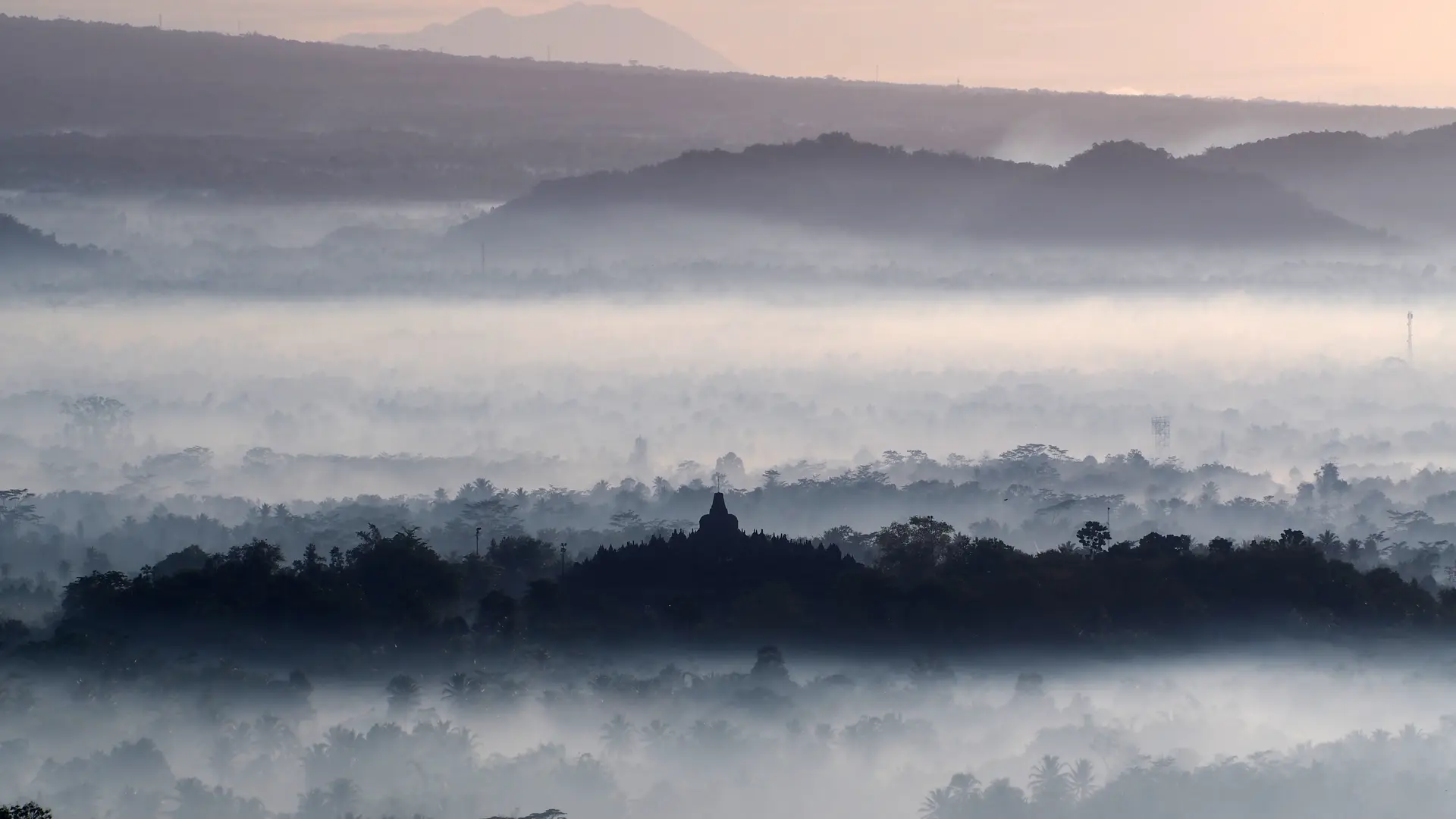
The green season is not one weather but several, moving across the region on its own calendar. The rain reaches northern Thailand and Laos first, softens the Mekong through the summer, and settles over Vietnam’s central coast around September, so a route can be drawn to stay a step ahead of the worst of it. Early on, in May and June, the showers are brief and the paddies newly flooded; by October the terraces give way to swollen waterfalls and mist that sits in the hills past noon.
What the season gives back is room. The temple courtyards you would otherwise share with tour groups are half empty, the corner table that turns people away in February is simply yours, and the guide who is stretched thin in high season has the afternoon to take you the long way round. Rates at the villas that stay open fall by a third or more, and the ones that close for renovation tell you something useful about where the staff themselves go to wait out the rain.
Frequently asked
When is the green season, exactly?
Broadly May to October, though it arrives at different times across the region. The rain reaches northern Thailand and Laos first, moves through the Mekong over the summer, and lingers over Vietnam’s central coast into autumn. We plan the route to sit a step ahead of the wettest weeks.
Does the rain spoil time by the sea?
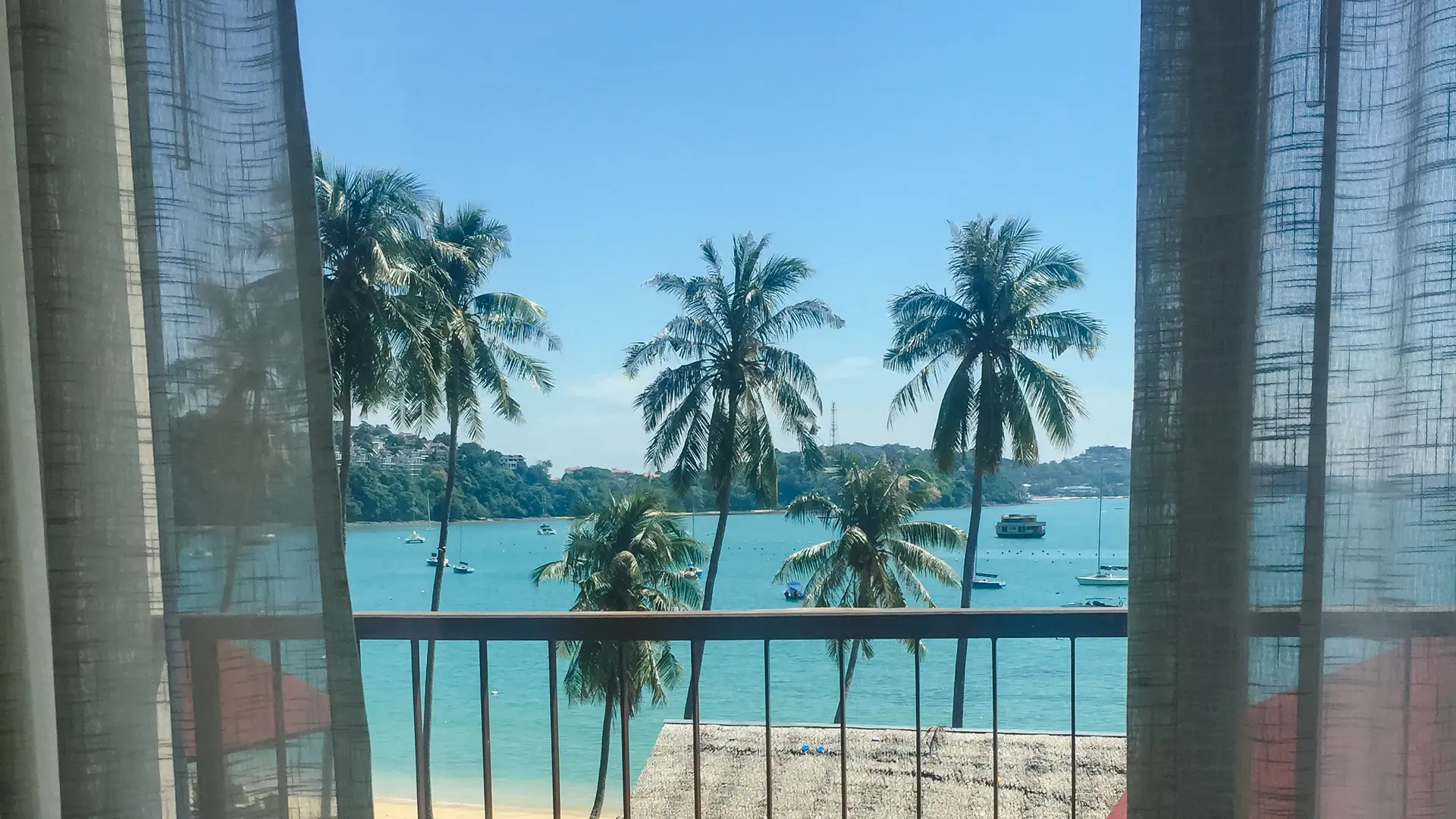
Less than you would think, because the coasts keep their own timetables. When the Gulf of Thailand is grey, the Andaman side is often clear, and the reverse holds later in the year. We pair a green-season interior with whichever shoreline is having its better months.
Is it genuinely cheaper, or just quieter?
Both. Room rates at the villas that stay open commonly fall by a third against high-season pricing, and the quiet is the real dividend: courtyards, tables and guides that high season keeps busy are suddenly unhurried and yours.