
The honest answer depends on what you want to see: the river crossings, the quiet green months, or simply the best light. Here is how we time a Kenyan safari, month by month.
The short answer
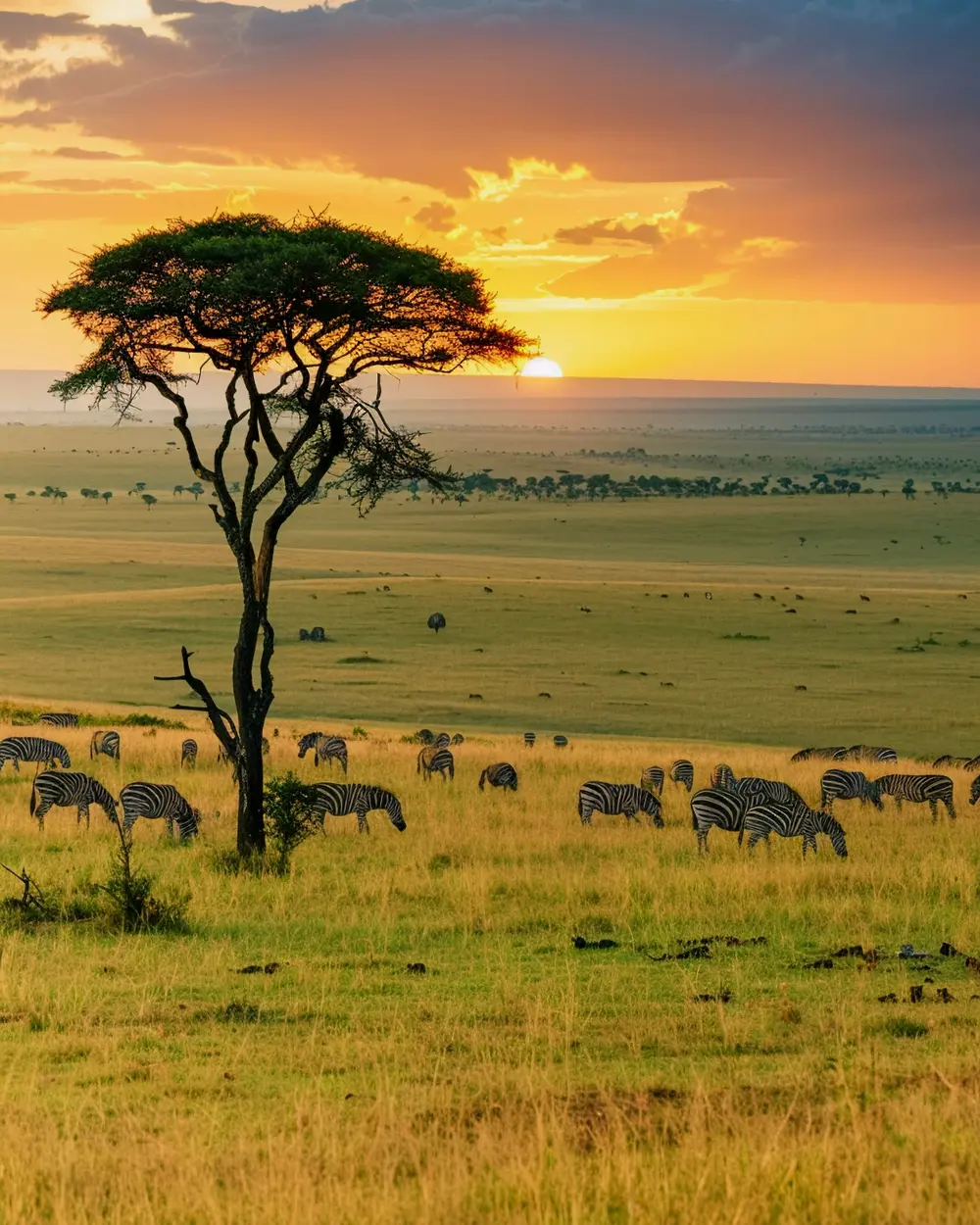
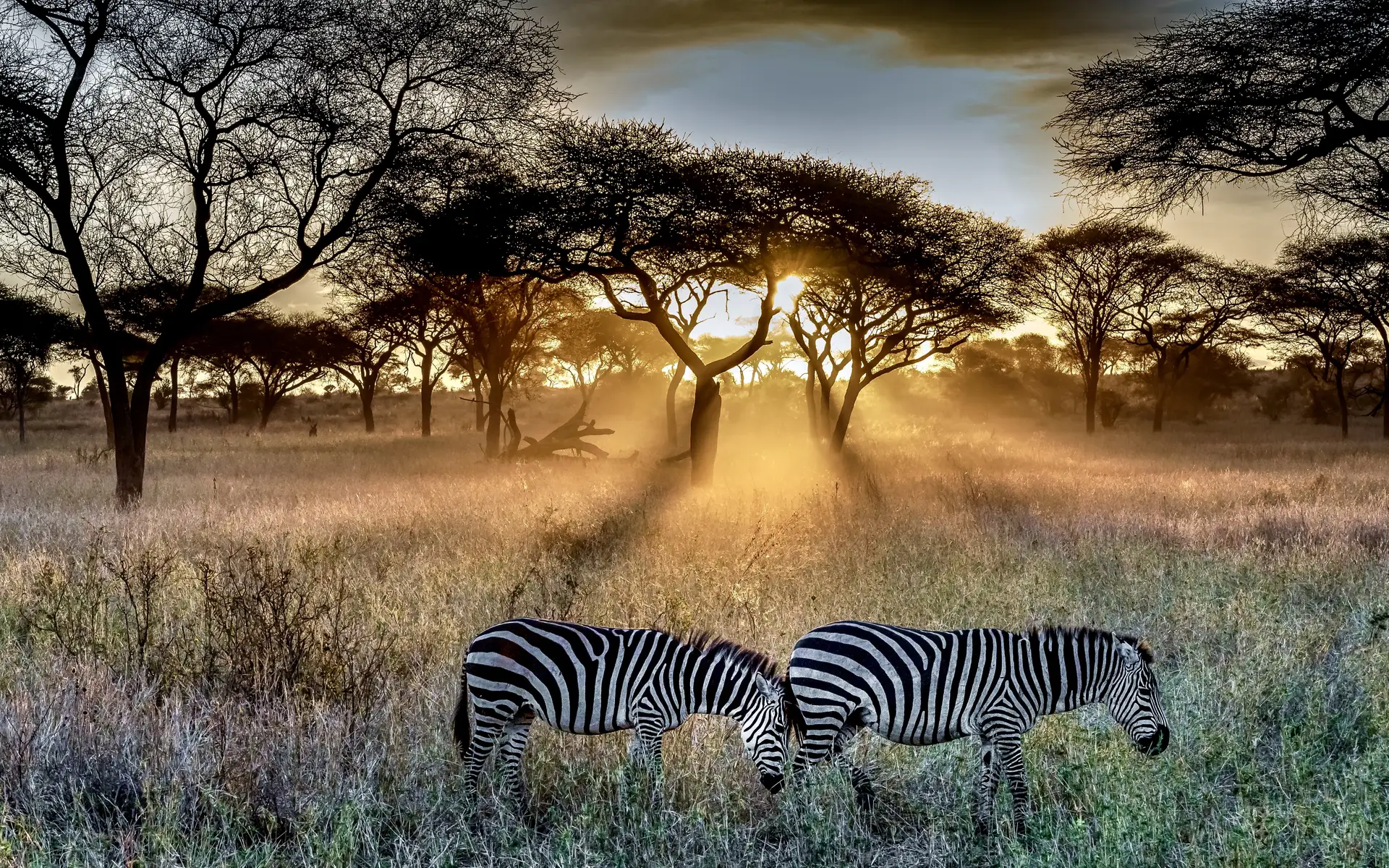
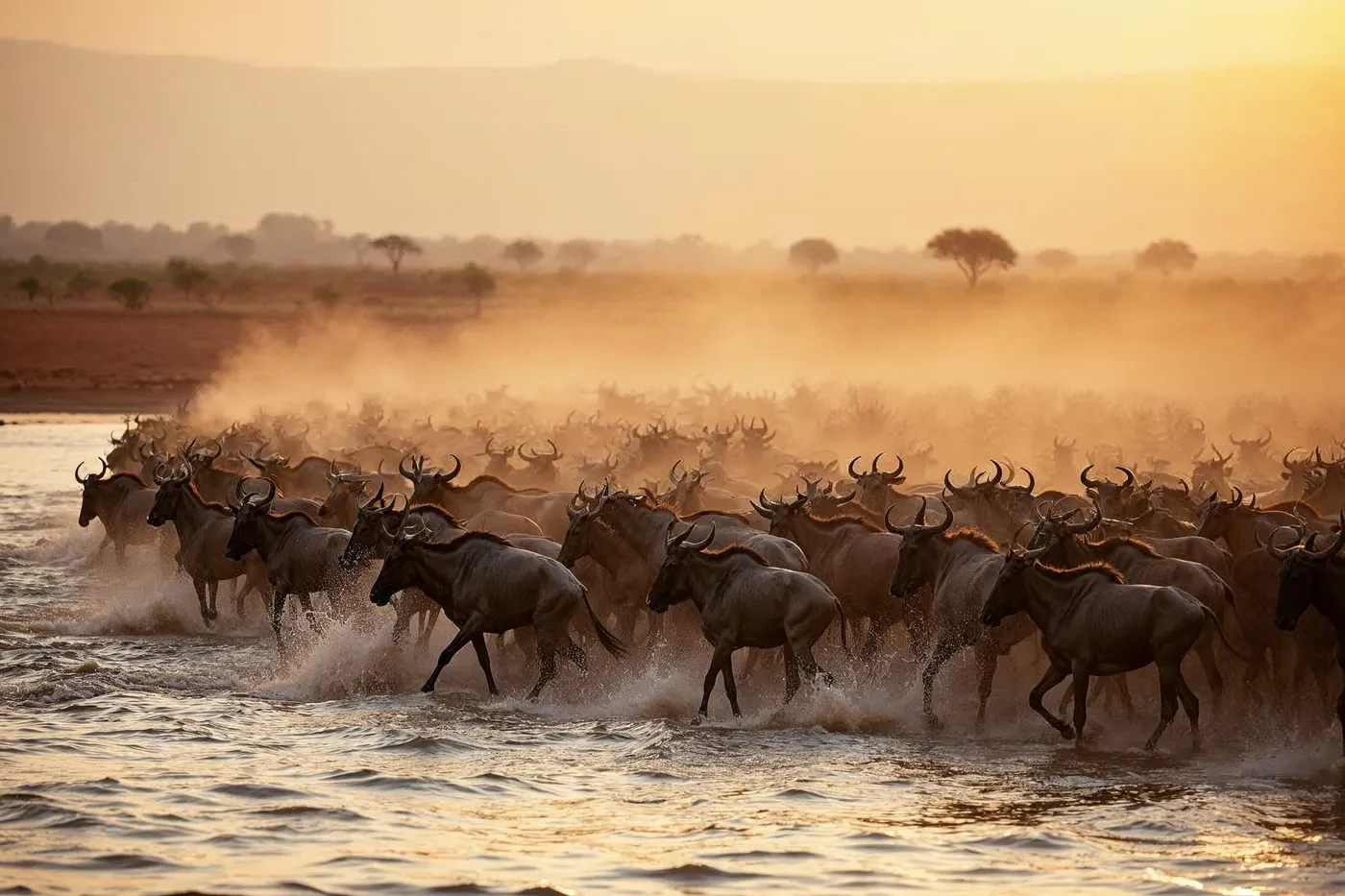
For most travellers, the best time to go on safari in Kenya is the long dry season, roughly late June to October. The grass is low, water is scarce, and animals gather at the rivers and waterholes, which makes them easier to find and the days more dramatic. It is also when the wildebeest of the Great Migration reach the Maasai Mara and brave its river crossings.
But the dry season is not the only good answer. The short dry spell of January and February is gloriously sunny and far quieter, and the green months early in the year trade a little predictability for emptier plains, softer light and noticeably better value. The only stretch we tend to steer around is the long rains of April and May, when some camps close and the roads turn heavy.
Month by month
January and February are warm, dry and bright, with newborn animals about and fewer vehicles around a sighting, one of our quiet favourites. March brings the first of the long rains, and by April and May the Mara is lush, dramatic and largely yours, though some remote camps pause for the season.
June is the turning point: the land dries, the crowds are still thin, and the migration begins drifting north. July to October is the headline window: peak game viewing, and the famous Mara River crossings, which draw travellers from around the world. November brings the gentler short rains, a green flush and good value, before December clears again and the festive season fills the best camps.
The Great Migration, timed
The crossings are the reason many people choose Kenya, and they are worth understanding honestly. The herds typically reach the Mara from late July, and the river crossings can happen any time from then through October, but they are governed by rain and instinct, not a timetable, and no one can promise one on a given day.
What we can do is stack the odds: position you in a camp close to the productive crossing points, give you a private guide and vehicle so you can be there at dawn and wait, and keep the days flexible enough to chase the movement. The migration is a season to be inside, not a single event to tick.
The case for the green season
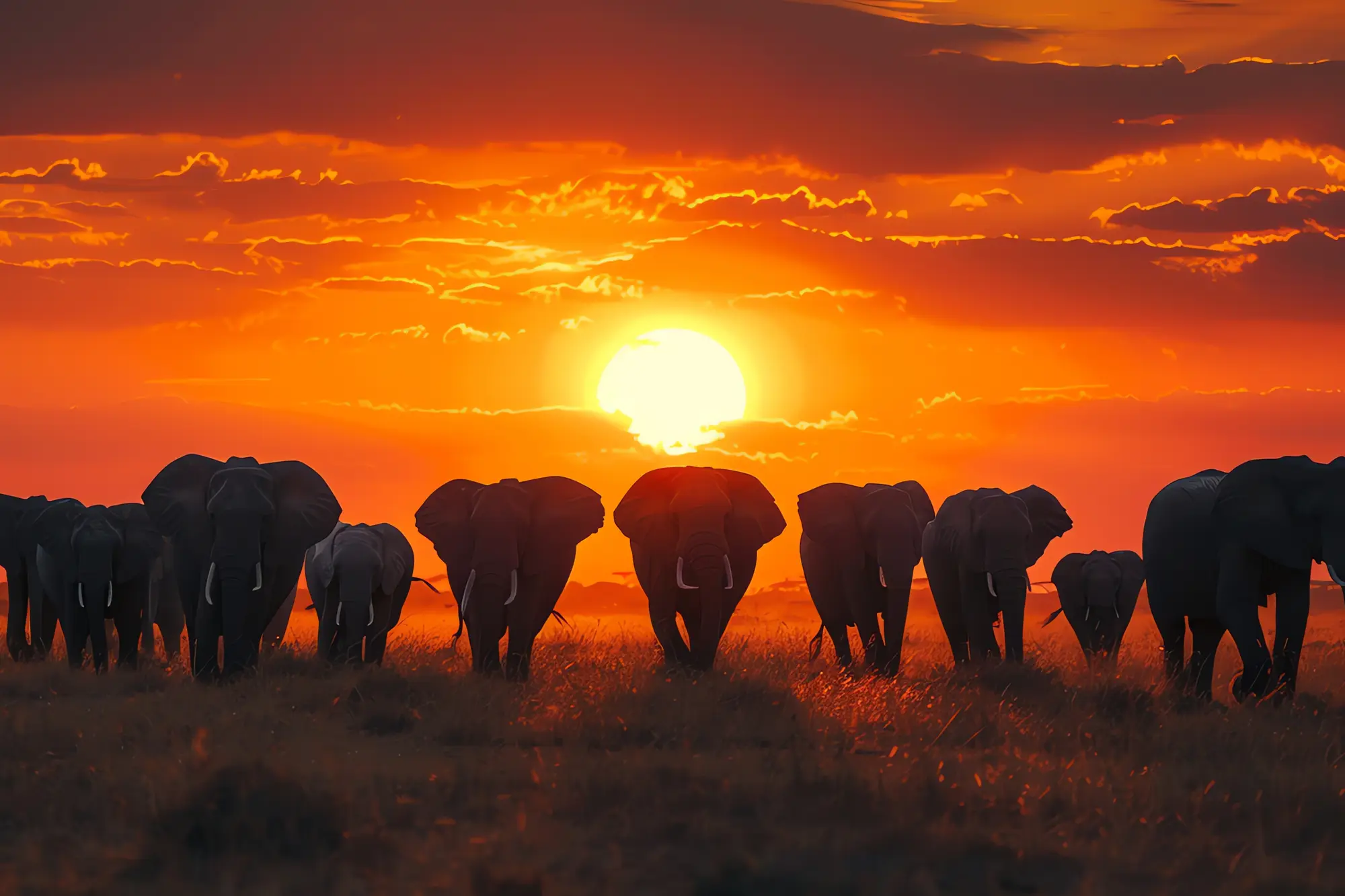
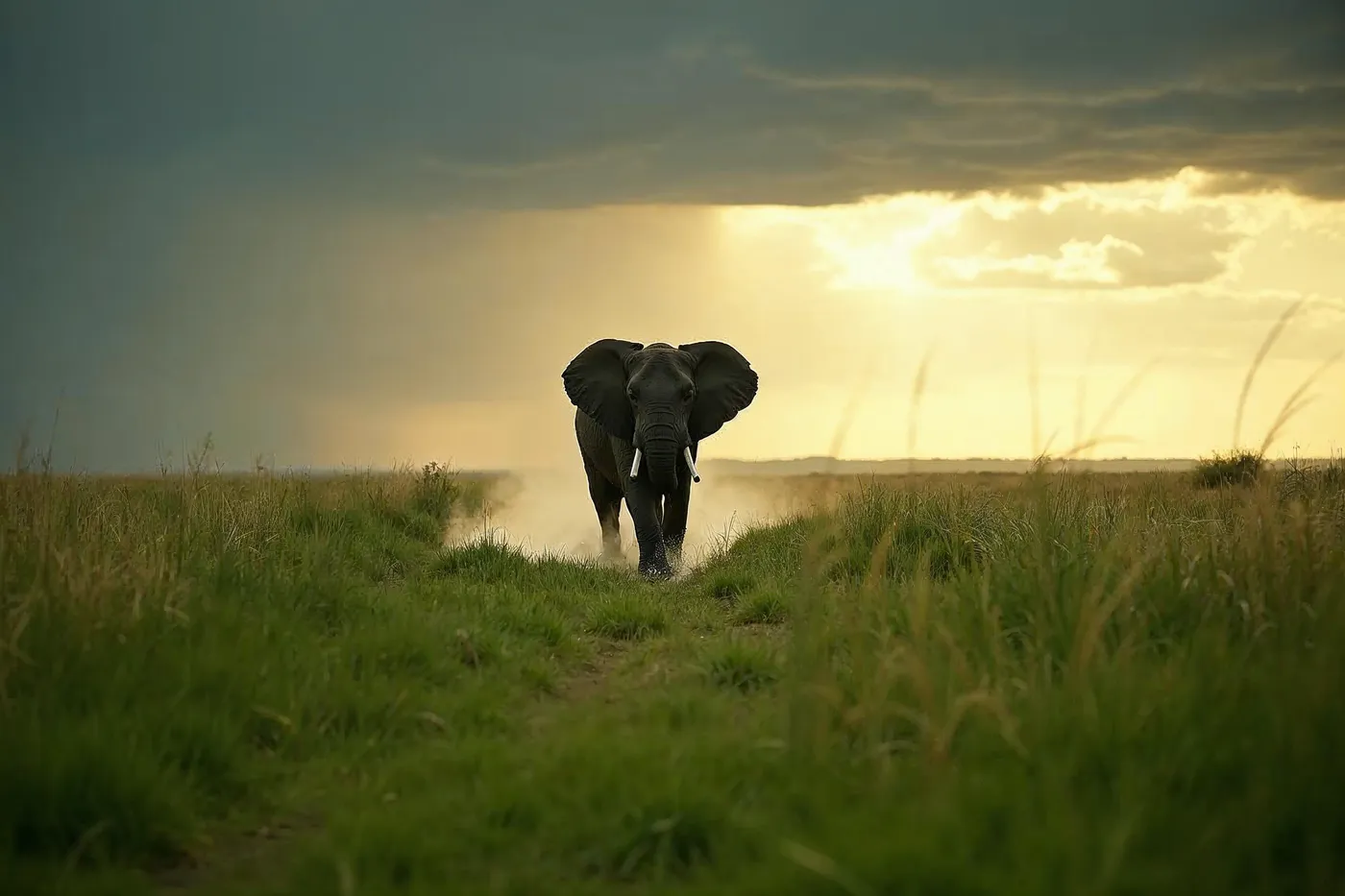
If your dates are flexible, do not write off the green months. From roughly November to March the resident wildlife (lions, elephants, giraffe, cheetah) is present all year regardless of the migration, and the landscape is at its most photogenic: thunderheads, low golden light, and plains the colour of new grass.
You will share sightings with far fewer vehicles, the rates soften, and the birding is extraordinary. For a first safari that is more about immersion than ticking the crossings, the green season is often the more rewarding, and the more peaceful, choice.
Where you go changes when you go
Kenya is more than the Mara, and the timing shifts with the region. The private conservancies bordering the reserve are excellent year-round and let you drive off-road, walk and go out at night, solving the single biggest safari complaint, crowds. Laikipia and Samburu in the north are drier and reward the green months especially well, while Amboseli, beneath Kilimanjaro, is at its most striking in the clear dry season.
A well-built Kenyan journey usually pairs two or three of these (a conservancy for exclusivity, the Mara for the spectacle, and somewhere quiet to land afterwards), and the calendar is part of how we decide the order.
Our pick
If the crossings are the dream, aim for late August to September, and accept that the reward comes with company and peak rates. If you want the wild closer to yourself, we love February for its bright, quiet days, and the green season for value and light.
As ever, the truthful answer is that the best time is whenever we can line up the weather, the wildlife and the version of Kenya you most want. And lining those three things up, quietly and precisely, is exactly what one concierge has the room to get right.
Frequently asked
When are the Maasai Mara river crossings?
Most often from late July through October, when the migrating herds are in the Mara. They depend on rainfall and herd movement rather than a fixed date, so we position you nearby with a private guide and keep the days flexible to maximise your chances.
Is the green season worth it for a safari?
For many travellers, yes. From November to March the resident wildlife is present year-round, the plains are beautiful and photogenic, there are far fewer vehicles, and rates are lower. You trade the migration spectacle for peace, light and value.
What is the best month for a family safari in Kenya?
We often suggest the dry months of late June to October for reliable game viewing and easy logistics, or the bright, quiet days of January and February. Private conservancies suit families especially well, with flexible drives and gentle distances.
How many days do you need for a Kenya safari?
Seven to ten nights is the sweet spot: enough to pair a private conservancy with the Mara and still land somewhere quiet, without rushing. Shorter trips work, but the rhythm of a safari rewards a little time.