

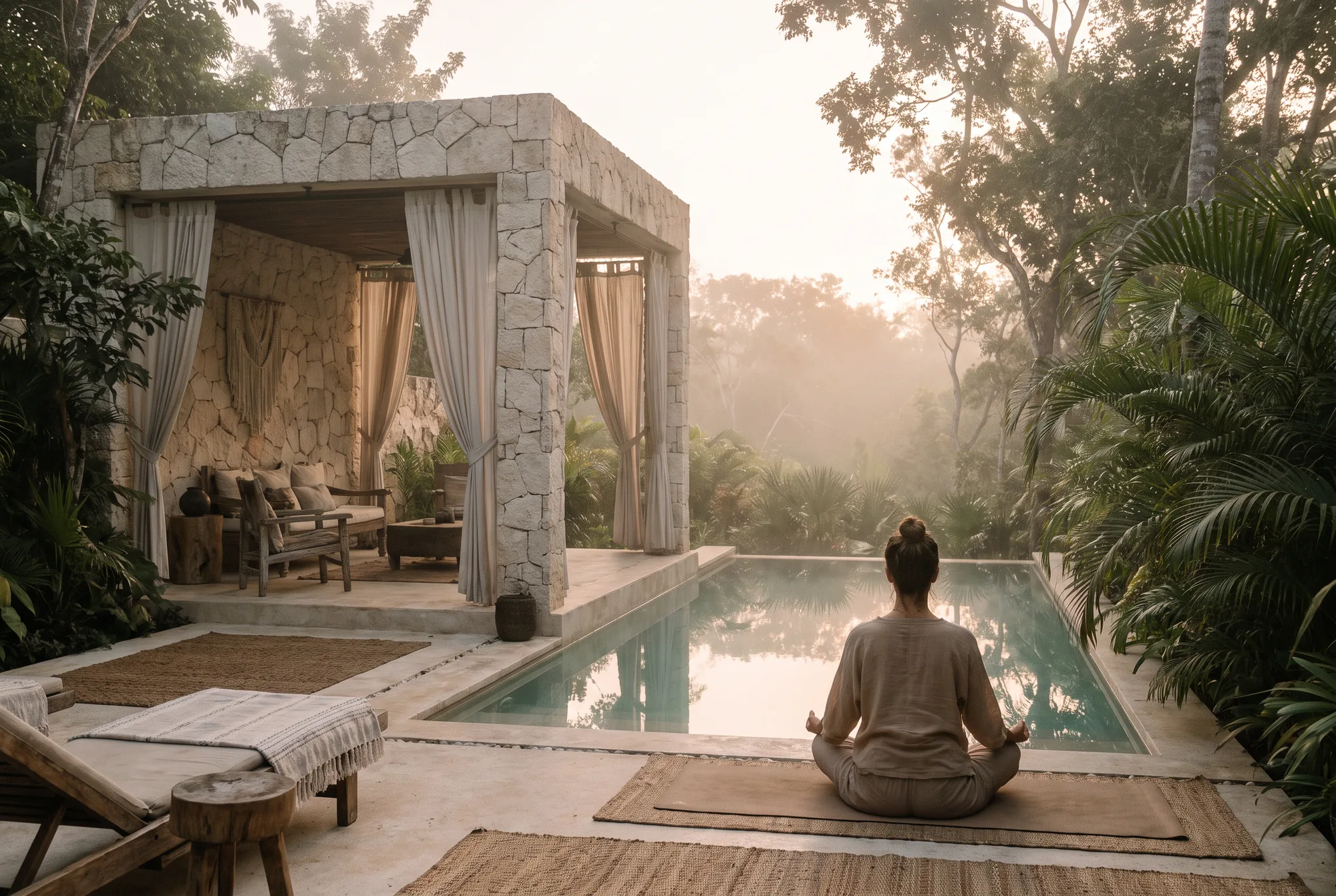
A luxury wellness retreat is defined by its practitioners and its programme, not its marble. JMJ explains the main types, what all inclusive really covers, how cost works, and how to choose well.
What a luxury wellness retreat actually means
JMJ Experiences is a Dubai based travel design house that plans bespoke wellness travel for guests across the GCC, the UK, and the US. A luxury wellness retreat is a stay built around a structured health programme, led by qualified practitioners, in a private and unhurried setting. The luxury lives in the substance, not the marble.
That distinction matters. A wellness retreat is not a spa weekend with a green juice on arrival. It pairs a clear outcome, whether rest, recovery, or a genuine reset, with the space and service to reach it. The finest examples are judged by how you feel weeks after you return home.
Substance over surface
The gap between a good hotel and a luxurious wellness retreat is people. Practitioner quality, low guest-to-staff ratios, and real medical or therapeutic credentials separate a serious programme from a pretty one. Luxury wellness resorts invest in doctors, therapists, and nutritionists, not only in interiors.
Personalisation is the second marker. At the best luxury wellness hotels, a consultation shapes your schedule before you arrive, and the plan flexes daily to your energy. Time is the third: unhurried treatments, proper rest between sessions, and no pressure to fill every hour.
The main types of wellness retreat
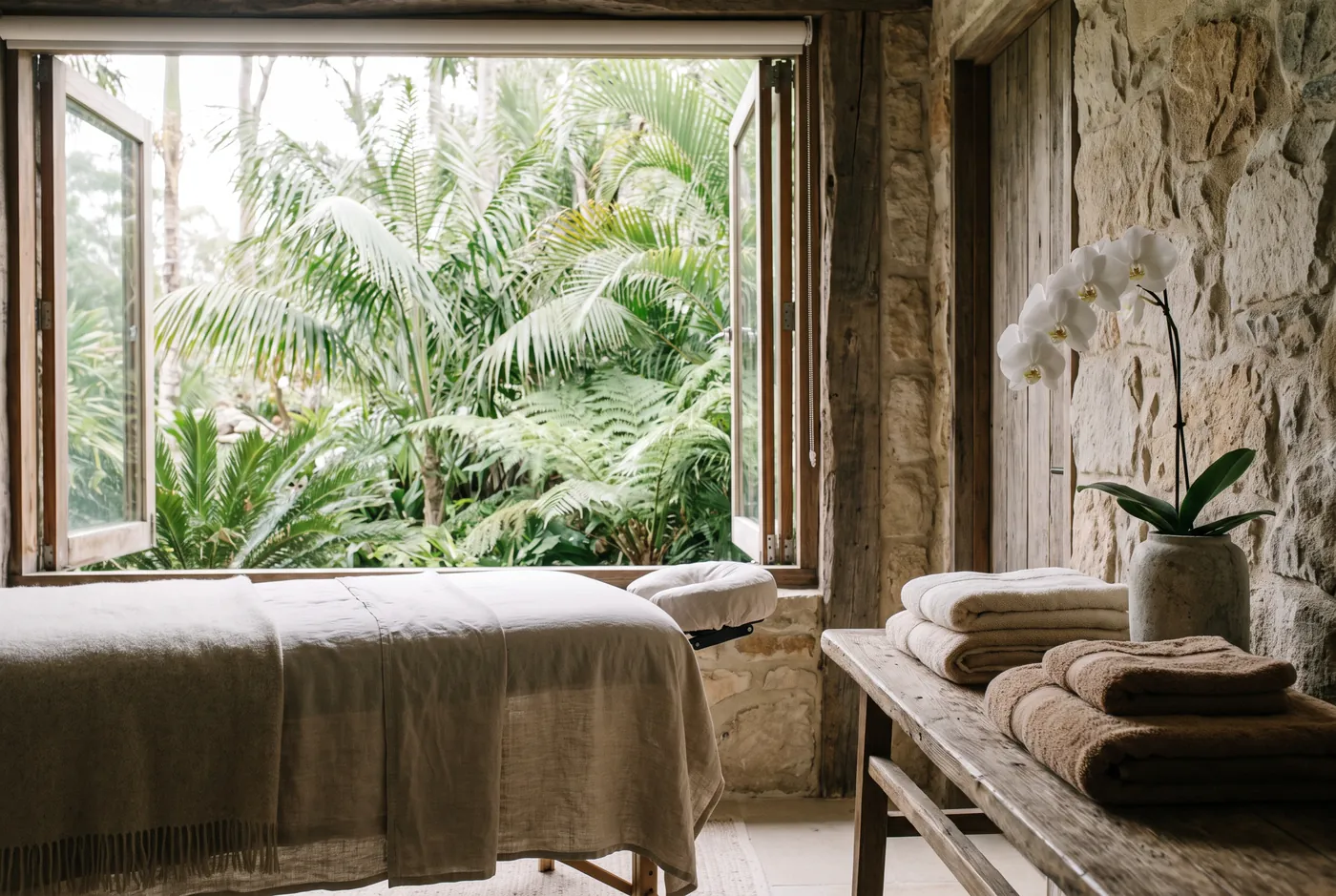
Wellness retreats are not one product. They range from ancient medical traditions to clinical diagnostics, and the right choice depends on what you want to change. The table below sets out the main categories, what each focuses on, and who it tends to suit.
Most luxury programmes blend two or more of these. A stay might combine yoga with ayurvedic treatment, or diagnostics with active recovery. Knowing the core types helps you read a brochure honestly and ask the right questions.
| Type of wellness retreat | What it focuses on | Who it suits |
|---|---|---|
| Ayurveda | Doshic diagnosis, a therapeutic diet, and daily treatments to rebalance the body | Guests wanting deep rest and a traditional, medically rooted reset |
| Spa and thalasso | Hydrotherapy, seawater treatments, and massage for recovery and relaxation | Travellers after restoration without a strict daily regime |
| Yoga and movement | Daily practice, breathwork, and mindfulness to build strength and calm | Those seeking mental clarity and a sustainable movement habit |
| Medical and diagnostic | Clinical testing, doctor-led plans, and preventative or longevity care | Guests focused on measurable health outcomes and early detection |
| Active and adventure wellness | Hiking, water sports, and fitness set in nature | Higher-energy travellers who unwind through activity |
What all inclusive should mean here
At this level, all inclusive is about coverage and calm, not buffets. A well-designed all inclusive wellness retreat folds accommodation, all meals, a set of treatments, classes, and facilities into one price, so you are never reaching for a wallet mid-programme. Consultations and transfers are often included too.
The detail worth checking is what sits outside the package. Specialist therapies, medical tests, and private sessions can be charged separately even at the top tier. A clear inclusions list, read before you book, is the mark of an honest property.
Where wellness travel goes
Certain places have built genuine expertise over generations. Sri Lanka is renowned for authentic ayurveda, where a luxury ayurveda retreat is doctor-led and built around therapeutic food. Bali and India lead for yoga and movement. The Maldives suits spa and thalasso stays, while Alpine and desert settings favour active wellness.
Wellness destinations are worth choosing on substance, not scenery alone. JMJ threads a wellness retreat into a wider itinerary when it helps, pairing recovery in the Maldives with time in Sri Lanka, or a quiet reset near Dubai.
Who a luxury wellness retreat suits
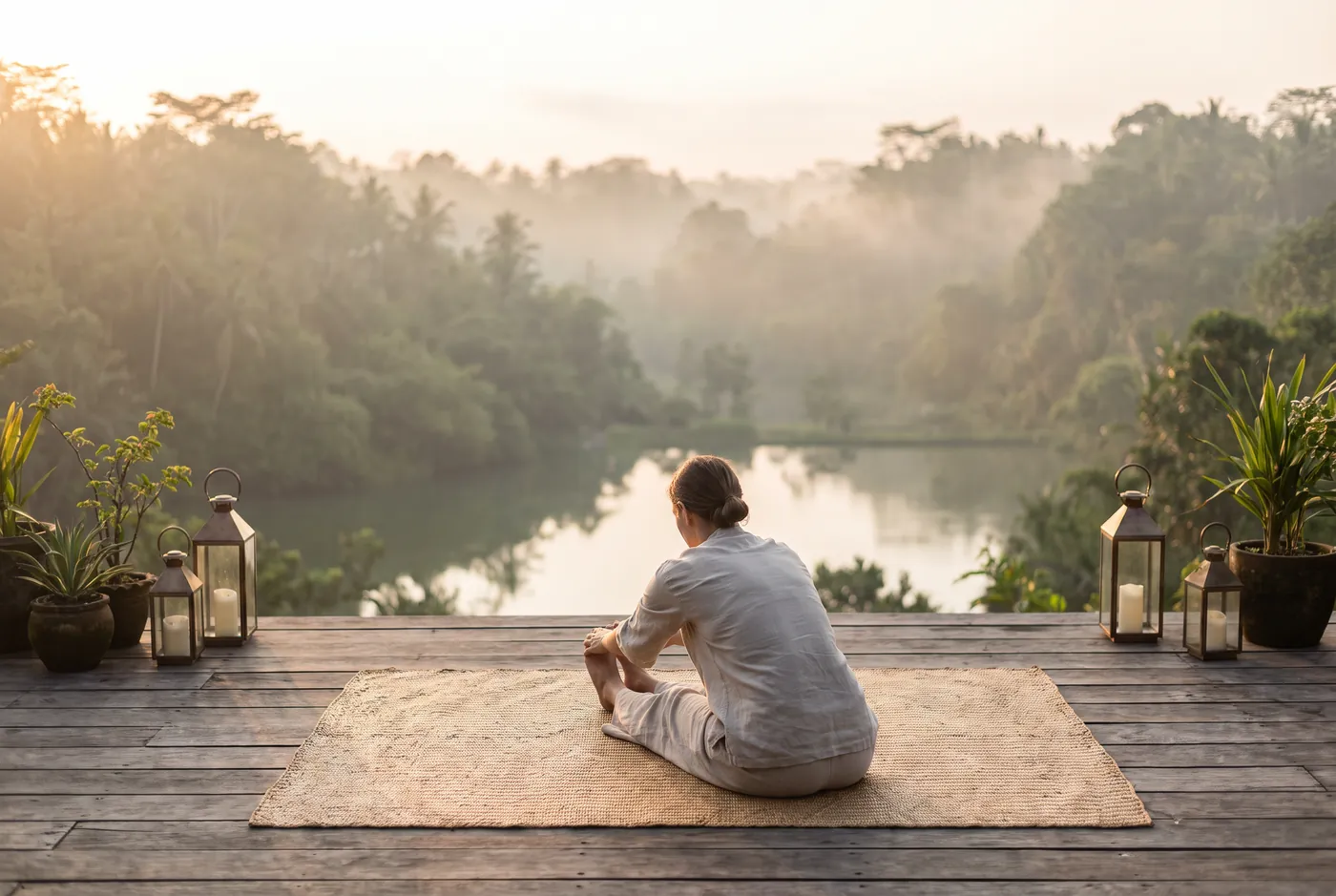
Wellness travel is no longer only for the recovering or the stressed. Solo wellness retreats suit travellers who want structure and safety while they reset alone, a theme we cover in our guide to solo travel for women. A wellness couples retreat can sit naturally inside a honeymoon.
Families, executives, and those managing a health change all use these stays for different reasons. The common thread is intent. People arrive wanting a specific outcome, and a luxury programme is built to deliver it. This is slow luxury travel in its most deliberate form.
How JMJ designs a wellness retreat
JMJ begins with the outcome, not the property. We ask what you want to change, then match it to the tradition, practitioner, and setting most likely to achieve it. That might be an ayurveda programme, a diagnostic stay, or a gentler wellness vacation with room to breathe.
Every itinerary is costed, private, and planned around your calendar. You can explore our wellness journeys or start an enquiry when you are ready. The measure we hold ourselves to is simple: a change that outlasts the trip.
Frequently asked
What is a wellness retreat?
A wellness retreat is a stay organised around a health programme rather than sightseeing. It combines treatments, movement, nutrition, and rest under one plan, usually over several nights. A luxury wellness retreat adds qualified practitioners, private settings, and personalisation, so the schedule fits your body rather than a generic template.
What do you do at a wellness retreat?
Most days follow a gentle rhythm: an early practice such as yoga or a walk, a treatment or consultation, nourishing meals, and free time to rest. Programmes vary by focus, from ayurveda to fitness. At a luxury wellness retreat, a practitioner tailors the daily schedule to your goals and energy.
What is included in a wellness retreat?
An all inclusive wellness retreat typically covers accommodation, all meals, a set number of treatments, group classes, and use of facilities such as pools and thermal areas. Consultations and airport transfers are often included at the top tier. Always confirm which therapies are included and which are charged separately before booking.
What is a holistic retreat?
A holistic retreat treats the whole person, addressing physical, mental, and emotional health together rather than one symptom. It blends bodywork, nutrition, movement, and mindfulness into a single programme. The aim is balance and lasting change, not a quick fix. Many ayurveda and yoga retreats follow a holistic approach by design.
What is a wellness vacation?
A wellness vacation places health at the centre of a trip while keeping the ease of a holiday. It is less structured than a clinical programme, so you might mix spa treatments, hikes, and good food with genuine downtime. Wellness vacations suit travellers who want to feel better without a strict regime.
What is a wellness retreat center?
A wellness retreat centre is a dedicated property built for health programmes, with treatment rooms, practitioners, kitchens for therapeutic food, and quiet accommodation. It differs from a hotel with a spa because the whole site is organised around the guest's programme. The best centres keep group sizes small for privacy and attention.
How much does a luxury wellness retreat cost?
A luxury wellness retreat is usually priced per person per night and rises with the depth of the programme, the practitioner ratio, and the length of stay. Medical and longevity programmes cost more than spa-led stays. Because rates change by season and property, JMJ prepares a costed proposal for each enquiry.
What is the difference between a wellness retreat and a spa resort?
A spa resort is a hotel with treatments you book as extras, while a wellness retreat is a full programme with a defined outcome. At a retreat, meals, movement, and therapies work together toward a goal such as rest or recovery. A spa resort offers relaxation on demand, with no set plan.