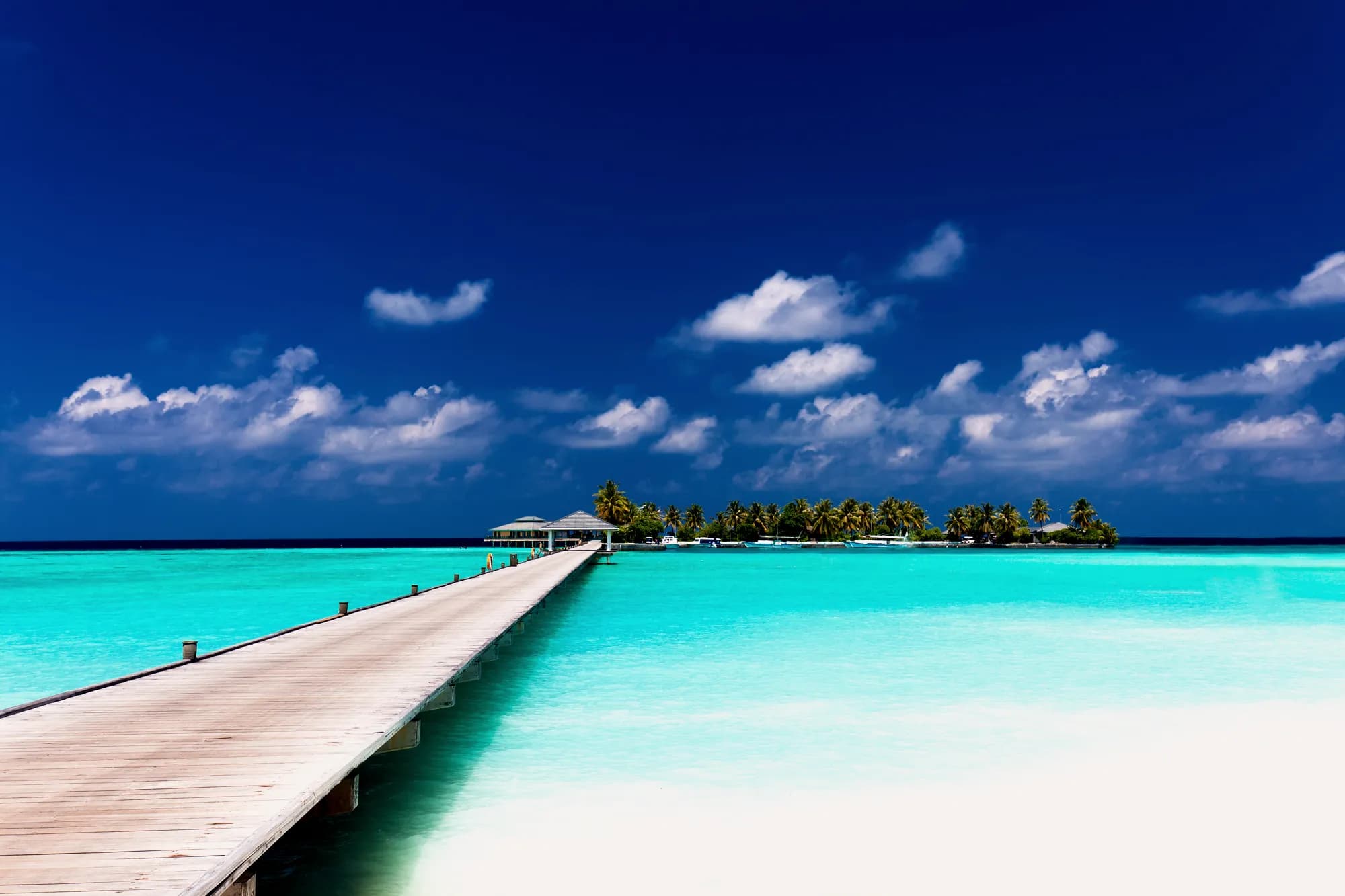

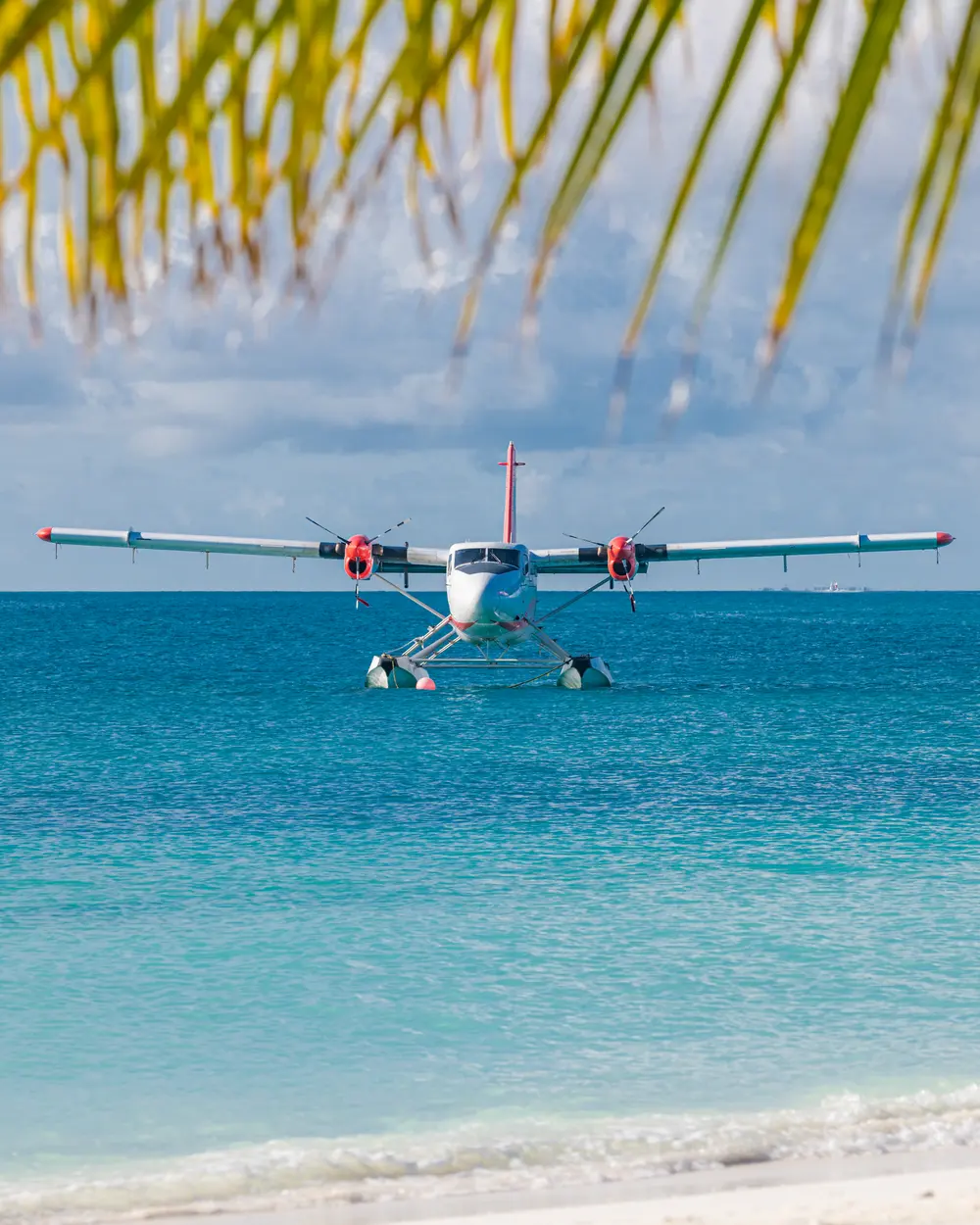
The Maldives is a year-round destination with two distinct seasons: one for sunshine, one for value and marine life. Here is how to choose.
The short answer
The best time to visit the Maldives is the dry season, roughly November to April: sunny skies, calm seas, and the postcard conditions most people picture. It is also the busiest and most expensive, peaking around the festive weeks of December and January.
The wet season, May to October, is warmer and greener with more rain, but it is far from a write-off: it brings better value, fewer guests, and some of the best marine life of the year. The Maldives is genuinely a year-round destination: the seasons simply reward different travellers.
The dry season, in detail
From November the humidity drops and the seas flatten, and by December through April the islands are at their sunniest and calmest, ideal for honeymoons, families and anyone who simply wants guaranteed beach weather. Visibility for diving and snorkelling is excellent.
The trade-off is demand. The festive fortnight and the European winter-sun weeks push rates to their highest, so if you want the dry season without the peak, the shoulder months of late November and April are the quiet sweet spots.

The case for the green season
May to October sees more cloud and rain, often in short, warm bursts rather than all-day grey. In return you get noticeably lower rates, emptier islands, and a particular wildlife bonus: this is the best stretch for manta rays and whale sharks, especially around the central atolls, as plankton-rich currents draw them in.
For divers, snorkellers and value-seekers who do not mind the odd shower, the green season can be the better Maldives, and the photographs, after a passing storm, are extraordinary.

Our pick
For sure-thing sunshine, aim for the shoulders of the dry season, late November or April, to dodge both the rain and the festive peak. For value and marine encounters, the green season rewards the flexible.
Either way, the Maldives pairs beautifully as the still, perfect ending to a longer journey (after Sri Lanka, or a Kenyan safari), and we time the whole thing so the weather lines up across both halves.
Frequently asked
What is the best month to visit the Maldives?
For reliable sunshine and calm seas, the dry season from November to April, with late November and April being the quiet shoulders that avoid the festive peak. May to October offers better value and the best marine life.
Is the Maldives worth visiting in the rainy season?
Yes, for the right traveller. May to October brings lower rates, fewer guests and the best manta and whale-shark encounters, with rain that often falls in short, warm bursts rather than all day.
When is the best time for diving in the Maldives?
The dry season offers the clearest visibility, while the green season (May to October) brings the richest marine life, including mantas and whale sharks around the central atolls. We match the atoll and the month to what you want to see.
When is the Maldives most expensive?
The festive weeks of December and January, and the European winter-sun period, are the peak. Travelling in the shoulder months keeps the dry-season weather without the highest rates.