

An hour away,
and nothing like home.
Three climates,
one short flight.
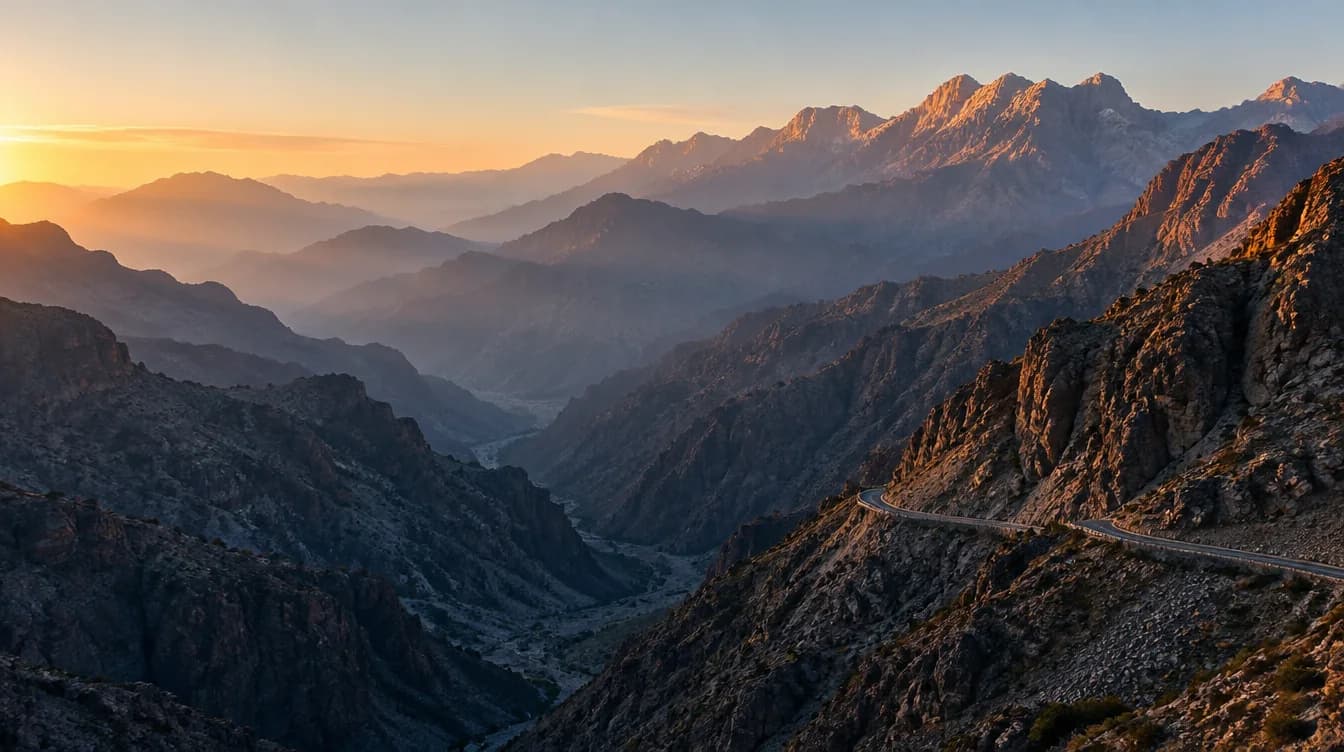
Oman is the rare country that rewards a week rather than a weekend. The coast gives you Muscat, which is low and white and refuses to look like anywhere else in the Gulf. An hour inland the Hajar mountains climb past two thousand metres and take ten degrees with them, so the terraces of Jebel Akhdar are cool when the coast is not. South of both, the Sharqiya Sands run to the horizon. We put them in the order that suits the month you can travel, because in Oman the month decides almost everything.
Not a schedule.
A country taken in the right order.
Muscat, low and white
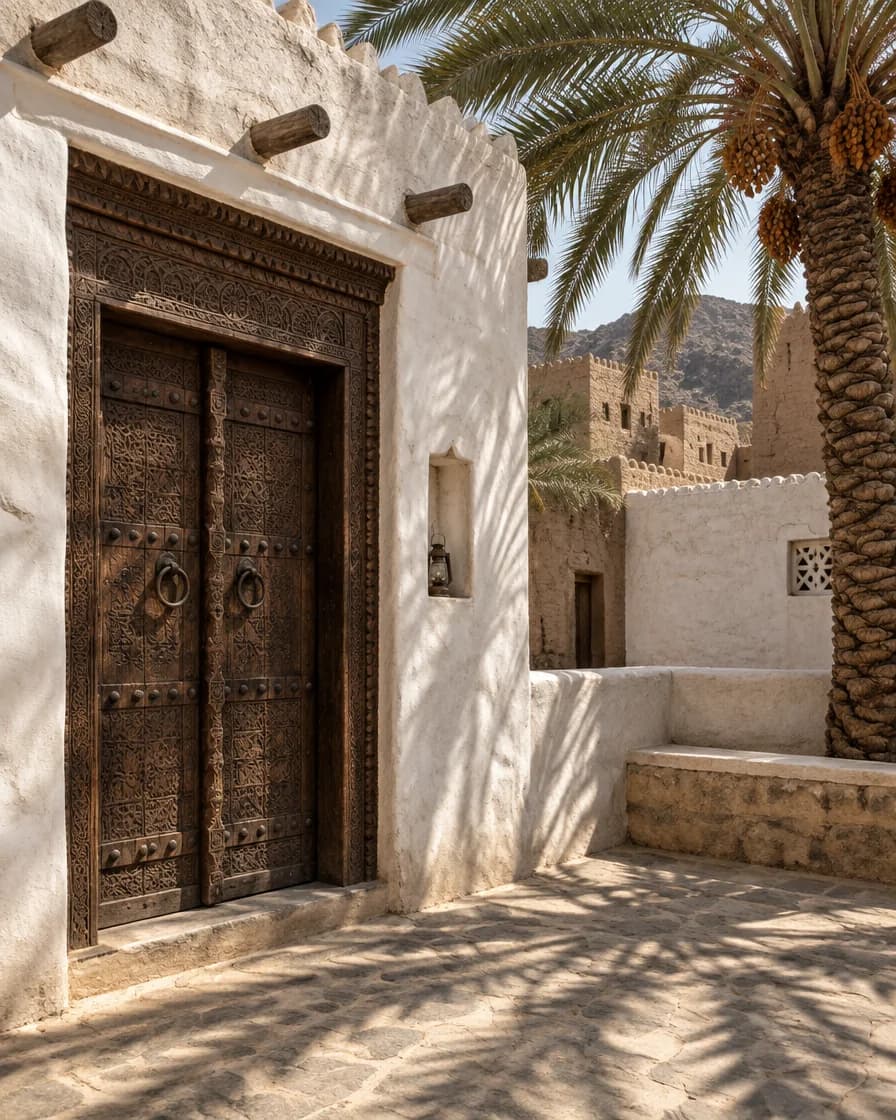
No towers, by law. A city of carved doors and whitewash held between the mountains and the sea, and an evening on the Mutrah corniche when the heat has gone out of the day.
The forts, and the souq
Nizwa on a market morning, the drum tower of the fort above the date palms, and the kind of souq that still exists for the people who live there rather than for anyone photographing it.
Up into Jebel Akhdar
The road climbs until the air changes. Stone terraces cut into the slope, pomegranate and rose, and a village where the water is still shared by a system nobody has needed to improve.
The rim of the canyon
A morning on the edge of the Grand Canyon of Arabia, where the drop is two thousand metres and the quiet is complete. Lunch somewhere with a view you will not quite believe.
Down to the wadis
Bani Khalid, where the pools are clear and cold and run back into a limestone canyon. The walk in is short and the swim is the point.
A night in the Sands
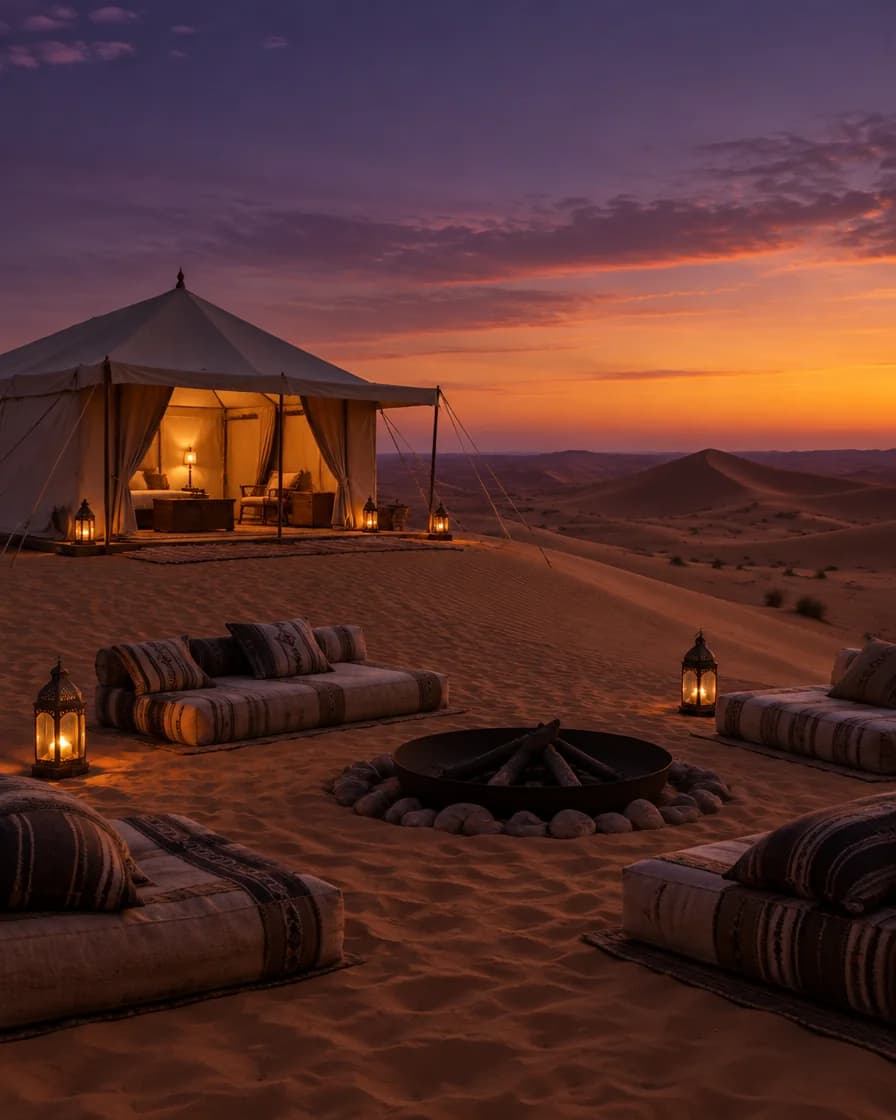
Out into the Sharqiya dunes in the late afternoon, and a camp set for you alone on a ridge. The fire is the only light, and the cold comes in properly after dark.
The long way back
Sunrise on the dunes, then the coast road north with time to stop at Sur, and a last afternoon somewhere on the water before the flight.
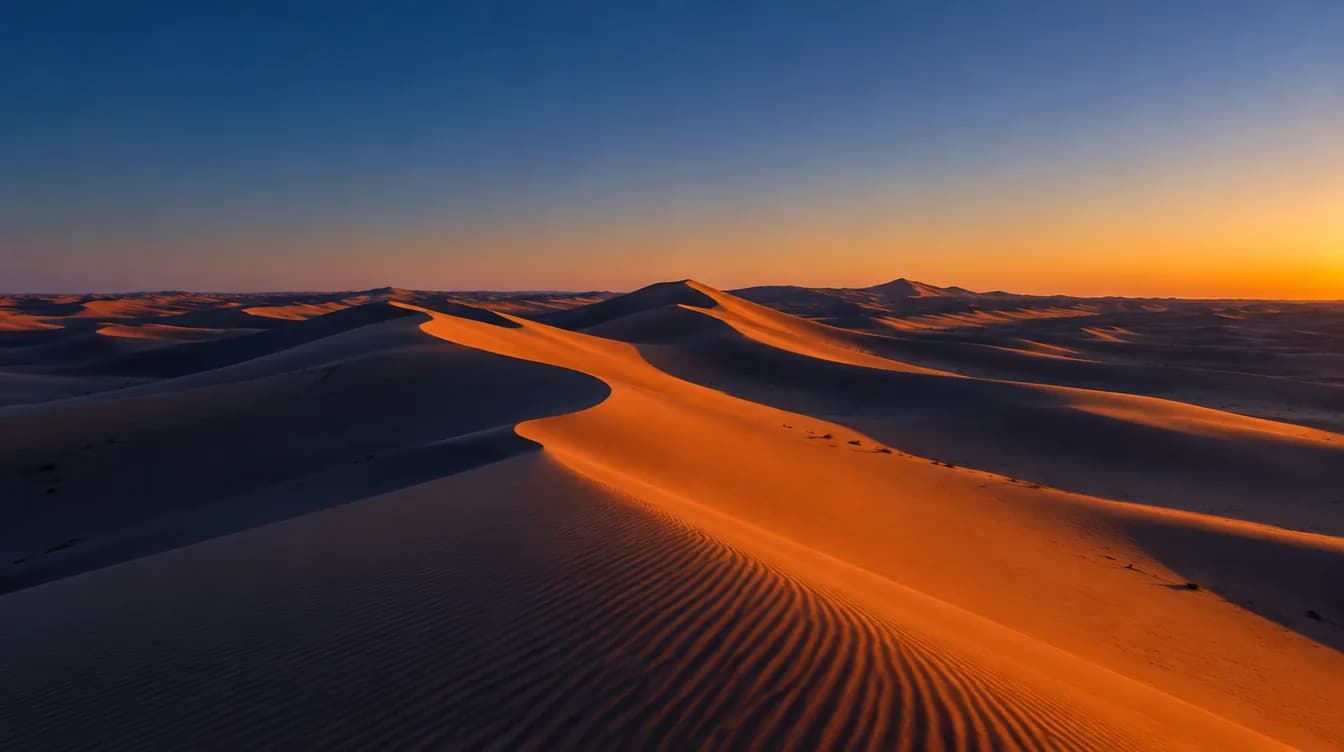
“An hour from Dubai, and the only sound was the sand
moving against itself. Nobody tells you it is this close.”
A little of what you’ll see.
Oman, in brief
When is the best time to visit Oman?
October to April for the coast and the desert, when Muscat sits in the mid twenties to low thirties and the wadis run clear. The mountains keep their own calendar: Jebel Akhdar and Jebel Shams stand above two thousand metres, which takes roughly ten degrees off the coast, so the plateau is comfortable even in high summer.
What is the khareef, and is Salalah worth it?
From late June to early September a monsoon drift off the Indian Ocean wraps the hills behind Salalah in mist. They turn green, waterfalls appear where there was bare rock, and the temperature sits in the mid twenties. It is the opposite of what the Gulf is supposed to do in August, and the reason Salalah has its own season.
How far is Oman from Dubai?
A little over an hour in the air to Muscat, and a long but straightforward drive if you would rather go overland. It is the closest country to the UAE that feels genuinely unlike it, which is most of the appeal.
Is Oman suitable for families?
Very. The driving distances are manageable, the wadis are a natural swim stop, and a night under canvas in the Sharqiya Sands lands well with children who have never slept anywhere without a ceiling. We set the pace and the camps to the ages travelling.
Keep reading: When to go to Oman · Family journeys · Solo and wellness · All journeys