
Conservation travel is more than a label on a brochure. What it actually means, how to tell the real thing from the marketing, and why it sits at the heart of how we plan.
Beyond the buzzword
Conservation travel, sustainable luxury, eco-this and responsible-that: the words have been used so freely they have nearly lost their meaning. But underneath the marketing is something real and worth protecting: travel that leaves a place better, or at least no worse, for your having been there.
The honest version is specific, not a slogan, and it is usually visible in where your money goes.
Follow the money
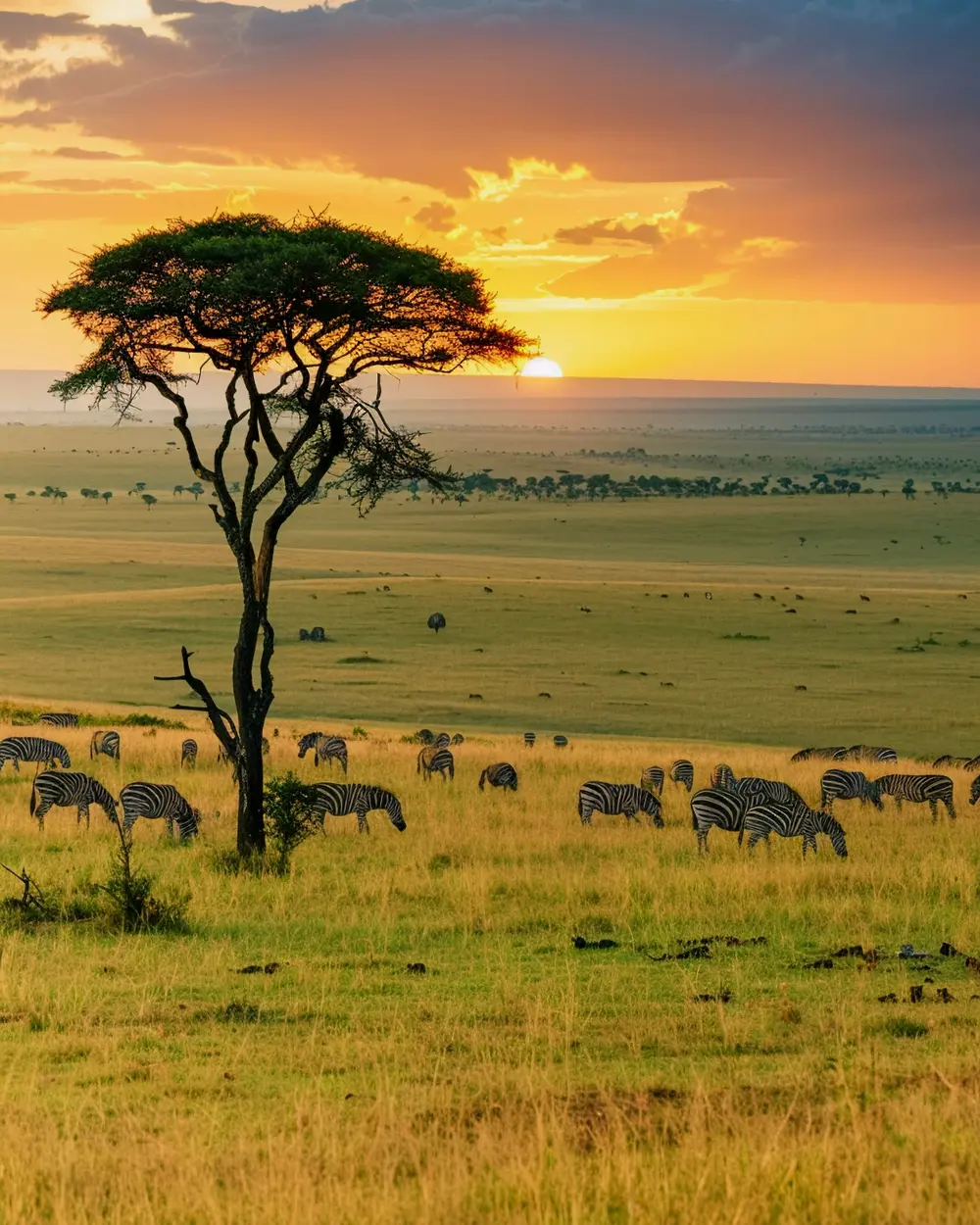
The clearest test of genuine conservation travel is whether your trip funds the thing it claims to protect. Private conservancies, for instance, charge nightly fees that pay for anti-poaching, habitat and the communities who share the land, so your stay is part of what keeps the wilderness wild.
Real conservation partners can tell you exactly where the money goes. Where no one can, the green language is usually just language.

Fewer people, more good
Counter-intuitively, the most protective way to visit a fragile place is often the most exclusive: small camps, low guest numbers, and capped vehicles do less damage and fund more protection per visitor than mass tourism. Luxury and conservation, done properly, pull in the same direction.
It is also simply a better experience: the wild felt quietly, not queued for.

How it shapes what we do
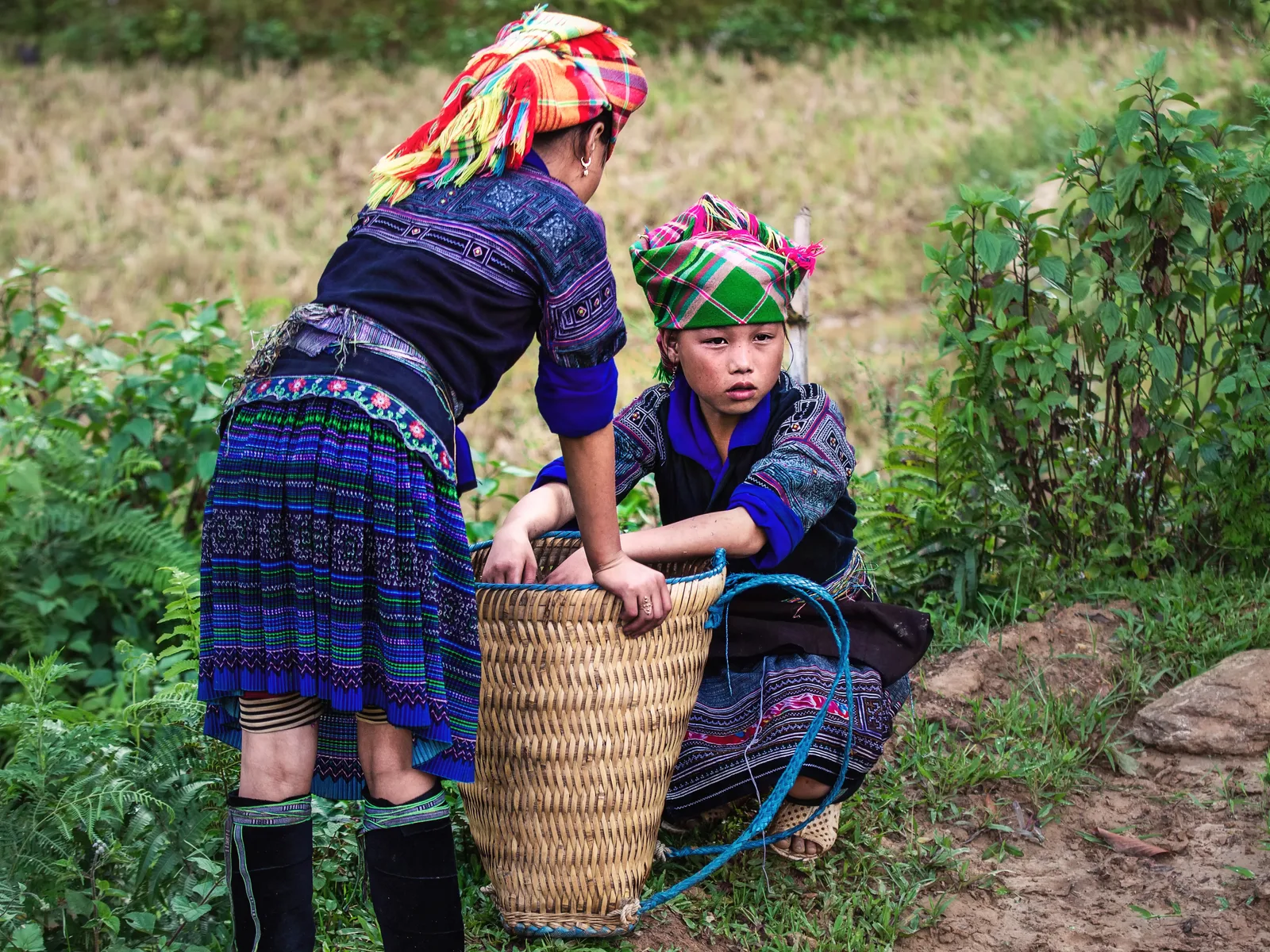
We route a meaningful share of every journey to conservancies, community-owned camps and the people doing the protecting on the ground. Not as an add-on, but as a default. It is part of why we cap our own numbers and plan slowly: depth, not volume.
We will always tell you honestly which parts of a trip are doing real good, and which are simply lovely. Beyond the itinerary, for moments you can't map.
Frequently asked
What is conservation travel?
Travel that actively funds and protects the places and communities it visits (for example through conservancy fees that pay for anti-poaching and habitat) rather than merely minimising harm or using green language.
How can I tell if it is genuine?
Follow the money. Real conservation partners can tell you exactly where your fees go. Where no one can be specific, the eco-language is usually just marketing.
Is luxury travel bad for conservation?
Not necessarily the opposite: small, exclusive camps with low guest numbers often do less damage and fund more protection per visitor than mass tourism. Done well, luxury and conservation align.
Does JMJ build this into trips?
Yes, by default: we route a meaningful share of every journey to conservancies and community-owned camps, and will tell you honestly which parts of a trip do real good.