
The best time to visit Taiwan is October to November, and the reason is the typhoon calendar: three or four storms a year, nearly all between June and September.
The short answer on the best time to visit Taiwan
The best time to visit Taiwan is October to November, with late March to April a close second. The reasoning is arithmetic as much as taste. Taiwan sits squarely in the western Pacific typhoon belt, and in an average year three or four typhoons affect the island directly, nearly all of them between June and September. Travel outside those months and you remove the single largest variable in the whole trip. Autumn then adds its own case: clear skies, falling humidity, and temperatures in the low to mid twenties.
The second-place finish for spring is narrow. Late March and April bring mild days, mountain flowers and the tail of the blossom season, and they sit comfortably before the plum rains arrive in mid May. What spring cannot quite match is autumn's reliability: cold fronts can still deliver a grey week in the north. If your dates are fixed and fall in either window, take them. If you can choose freely, choose autumn, and build the itinerary around the clear light.
How the typhoon calendar actually works
Typhoon season runs roughly June to September, peaking in August and September. A typhoon is not a season-long condition; it is an event that lasts two or three days, announced several days out by forecasters who are very good at their jobs. The practical cost is a day or two indoors, cancelled mountain excursions, paused east coast trains and closed coastal roads. The deeper cost is to plans: a nine day itinerary can absorb a typhoon, a five day one usually cannot.
Summer carries other charges even without a storm. July and August run hot and heavily humid at sea level, mid thirties with the kind of air that makes a second shower feel like a first. The plum rains, a spell of persistent drizzle from mid May to mid June, are milder but greyer. None of this makes summer impossible; the high mountains stay cool and the hot spring towns are quiet. It simply means summer needs a flexible itinerary and a traveller who does not mind sweating for their noodles.
Autumn, the window everything else is measured against
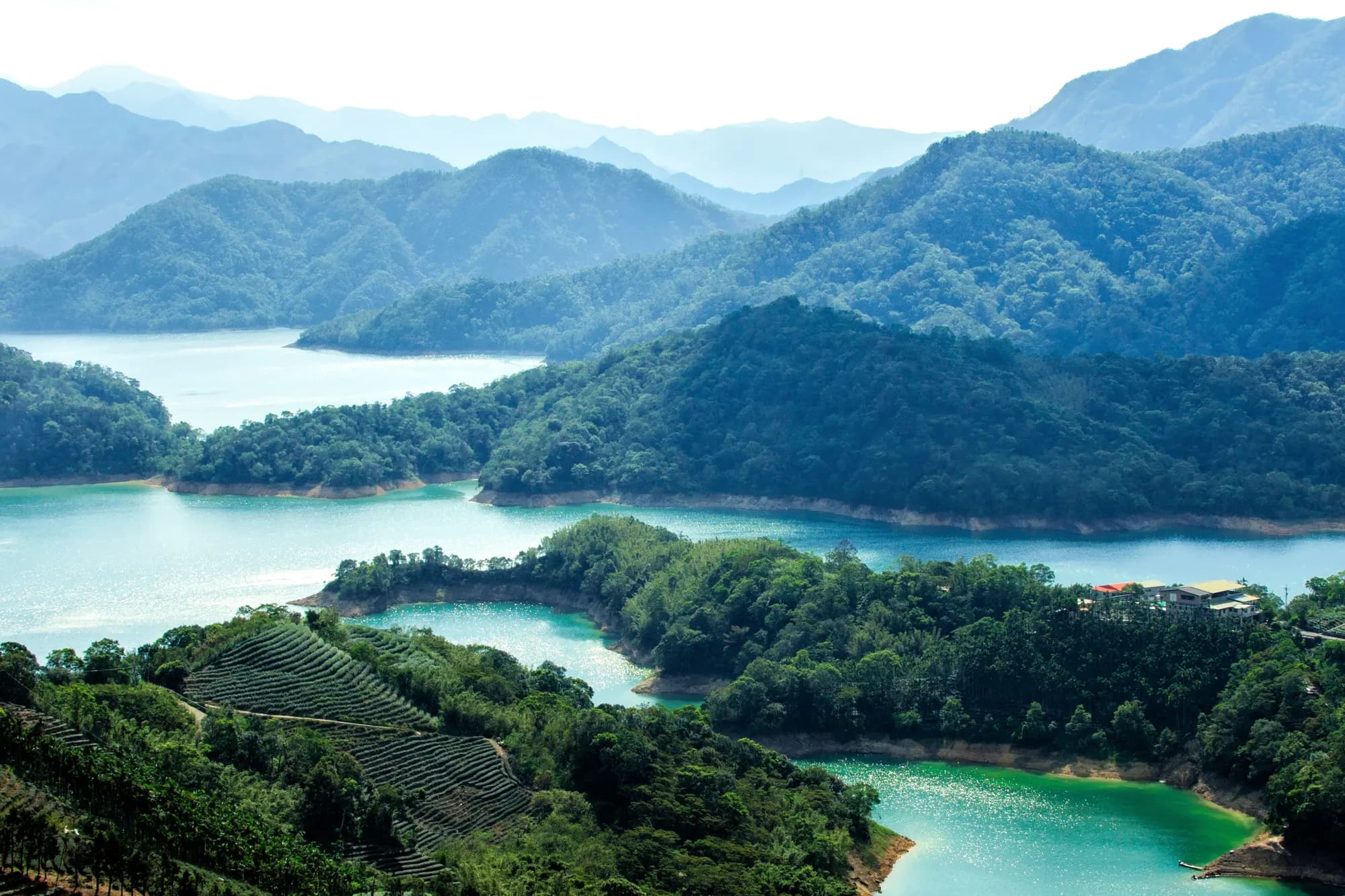
October and November are what people picture when they ask about the best time to visit Taiwan. The typhoon risk falls away through October, humidity drops, and Taipei settles into weeks of clear, dry days in the low twenties. This is the season for the parts of the island that depend on visibility: the sea cliffs of the east coast, the tea terraces above Pinglin, the sunrise ridges at Alishan. It is also when walking weather returns to the cities, and a night market is a pleasure rather than a sauna.
The catch is that autumn is nobody's discovery. Regional travellers read the same calendar, and the small hot spring inns and lakeside rooms that make Taiwan special hold only a handful of keys each. Book two to three months out for October and November, longer if your dates wrap a weekend. The reward for planning early is real: maple colour arrives in the high country from late November, the oyster omelettes taste the same year round, and the light in the tea hills is at its best.
Winter and spring, the quieter cases
Winter divides the island. Taipei and the north spend December to February under a soft grey drizzle, mid to high teens, weather made for hot springs, museums and long lunches rather than coastlines. Drive two hours south and the arithmetic changes: Tainan and Kaohsiung stay dry and in the low to mid twenties nearly all winter. For travellers coming from the Gulf, that southern winter pairs well with the UAE December long weekend, and Taipei is about eight and a half hours from Dubai.
Spring runs the film in reverse. Blossom season begins in late winter and climbs into the mountains through March, the north dries out, and by April the whole island is walkable. Two cautions. Lunar New Year, which moves across late January and February, is the week the entire country travels at once: trains sell out and family-run places close. And the plum rains begin in mid May, which is why we treat spring as ending in April. The wider logic of travelling just off the peak is one we have made before, in why shoulder seasons reward travellers.
| Months | What to expect | Verdict |
|---|---|---|
| Mar to Apr | Mild, blossom season, drying north | Strong second choice |
| May to Jun | Plum rains, persistent drizzle | Only with flexibility |
| Jul to Sep | Hot, humid, peak typhoon risk | Longer trips only |
| Oct to Nov | Clear, dry, low twenties | First choice |
| Dec to Feb | Grey drizzle north, dry warm south | Head south, or spa |
One island, two climates
Part of what makes the best time to visit Taiwan a genuine question is that the island refuses a single answer. The Tropic of Cancer runs through its middle: the north is subtropical, with a real if gentle winter, while the south is tropical and warm nearly year round. The east coast takes the brunt of most typhoons; the west, sheltered by the central mountains, gets off more lightly. And those mountains, rising well above three thousand metres, hold cool air all summer and frost in winter.
This is useful rather than academic. A February trip that would disappoint in Taipei works well built around Tainan's old streets and the Kaohsiung harbour. An August trip survives its own season by spending the hottest days at altitude, in the tea country or the cedar forests, and holding the cities for the bookends. The one thing geography cannot rescue is a tight schedule in typhoon season: no rerouting fixes a storm that closes the whole east coast for three days. Match the route to the month and most months work.
How JMJ plans a Taiwan trip
We start with the calendar, not the wish list. If your dates are free, we aim for late October into November, book the small inns early, and route the trip so the clearest days land where clarity matters most. If your dates are fixed, we shape the route to the season: south and cities in winter, mountains in summer, and always a built-in slack day in the typhoon months. Taiwan rewards the unhurried version of travel we argued for in the case for fewer places, longer stays.
Tell us the month you can travel and the pace you want, and we will tell you honestly whether Taiwan fits or whether the same dates serve you better elsewhere. When it fits, we handle the rest: the rail seats that sell out, the inns with a handful of rooms, the guides who know which trail is open this week, and the slack day placed where it can absorb weather. Start with a note on our enquiry page, and give us your dates before your destinations. The calendar does the deciding.
Frequently asked
What is the best time to visit Taiwan?
October to November is the best time to visit Taiwan for most travellers: typhoon season has passed, humidity drops, and the island settles into weeks of clear, dry days in the low twenties. Late March to April is a close second, with blossom season and mild temperatures, though spring weather is slightly less reliable in the north. If you can only choose one window, choose autumn.
When is typhoon season in Taiwan?
Roughly June to September, peaking in August and September, with occasional storms into early October. In a typical year three or four typhoons affect the island directly. Each one is a two to three day event rather than a constant condition, and forecasting gives several days of warning, but a storm can close the east coast, pause trains and cancel mountain plans. Longer itineraries absorb this; short ones struggle.
Is summer a good time to visit Taiwan?
It can work, with caveats. July and August are hot and very humid at sea level, and they sit inside peak typhoon season, so a summer trip needs slack in the schedule. The compensation is that the high mountains stay cool, hot spring towns are quiet and green, and the island feels lived-in rather than touristed. Plan nine days or more and keep the itinerary flexible.
What is the best time to visit Taipei?
October and November give Taipei its driest, clearest weather of the year, comfortable in the low twenties. Winter, December to February, is mild but often grey and drizzly, better suited to museums, food and hot springs than to hiking. Spring improves steadily from March. If the trails and coastline around the city matter to you, autumn is clearly the season to aim for.
Is winter a good time to visit Taiwan?
It depends where you go. The north, including Taipei, sits under soft grey drizzle for much of December to February, in the mid to high teens. The south is a different story: Tainan and Kaohsiung stay dry and in the low to mid twenties nearly all winter, which makes a southern route genuinely pleasant. Winter also suits the hot spring towns, which are at their best in cool weather.
When should I avoid travelling to Taiwan?
Two periods deserve caution. Lunar New Year, which moves across late January and February, is when the whole country travels at once: intercity trains sell out, roads fill, and many family-run restaurants and shops close for several days. And mid May to mid June brings the plum rains, a stretch of persistent drizzle that flatters nobody's photographs. Neither is a hard no, but both need planning around.
How far in advance should I book an autumn trip to Taiwan?
Two to three months for October and November, and longer if your dates include a weekend or a public holiday. Autumn is the season regional travellers also target, and the places that make Taiwan memorable, small hot spring inns, lakeside stays with a dozen rooms, mountain lodges near the sunrise viewpoints, hold very little inventory. Flights are rarely the constraint; the right rooms are.
Is spring or autumn better for visiting Taiwan?
Autumn, narrowly. Both offer mild temperatures and manageable humidity, but October and November are more reliably dry and clear, while spring in the north can still catch grey, damp spells from passing fronts. Spring answers back with blossom season and fresher landscapes after the winter rains. If photography and mountain visibility drive the trip, take autumn. If gardens and a greener island appeal, spring is a happy choice.