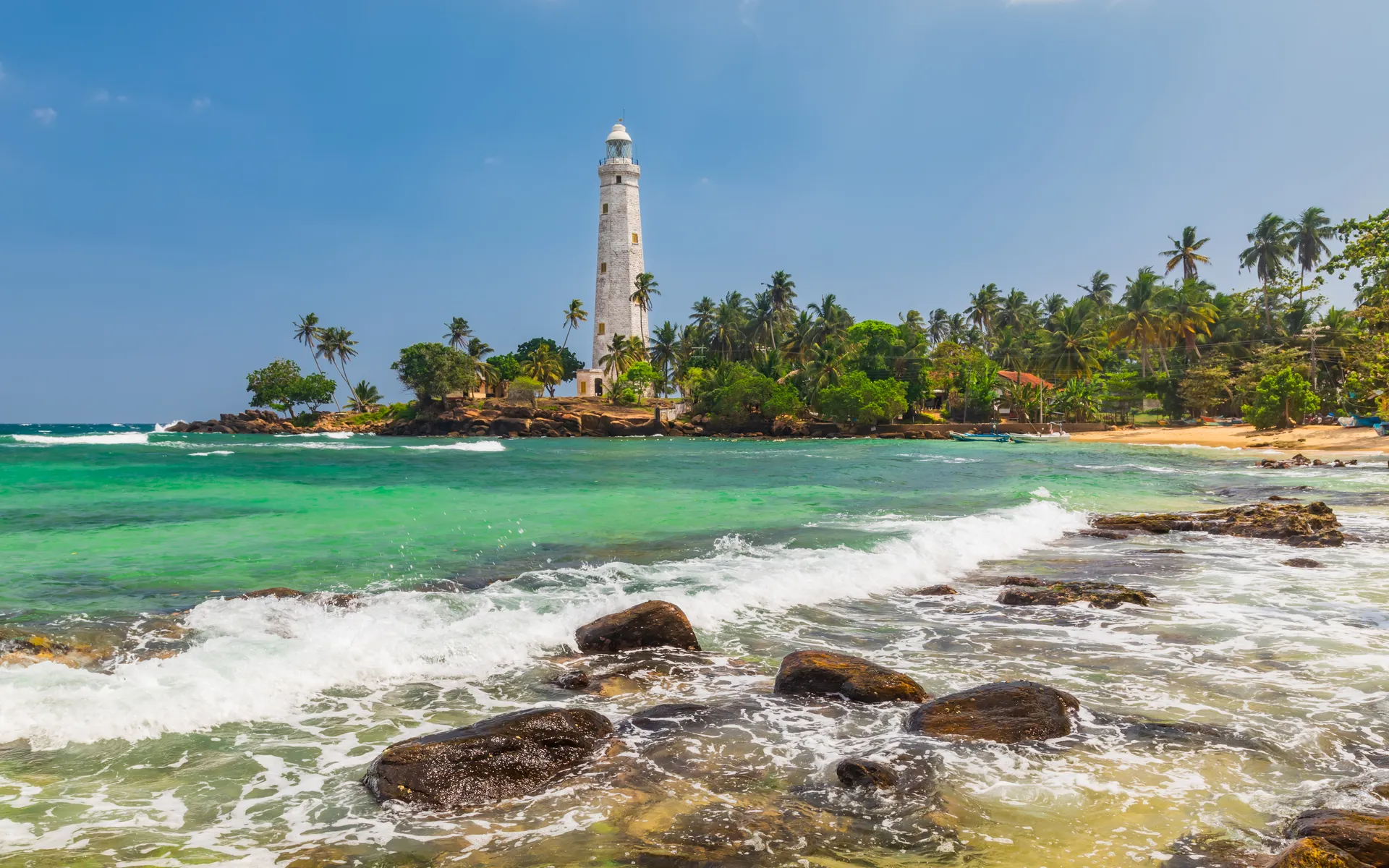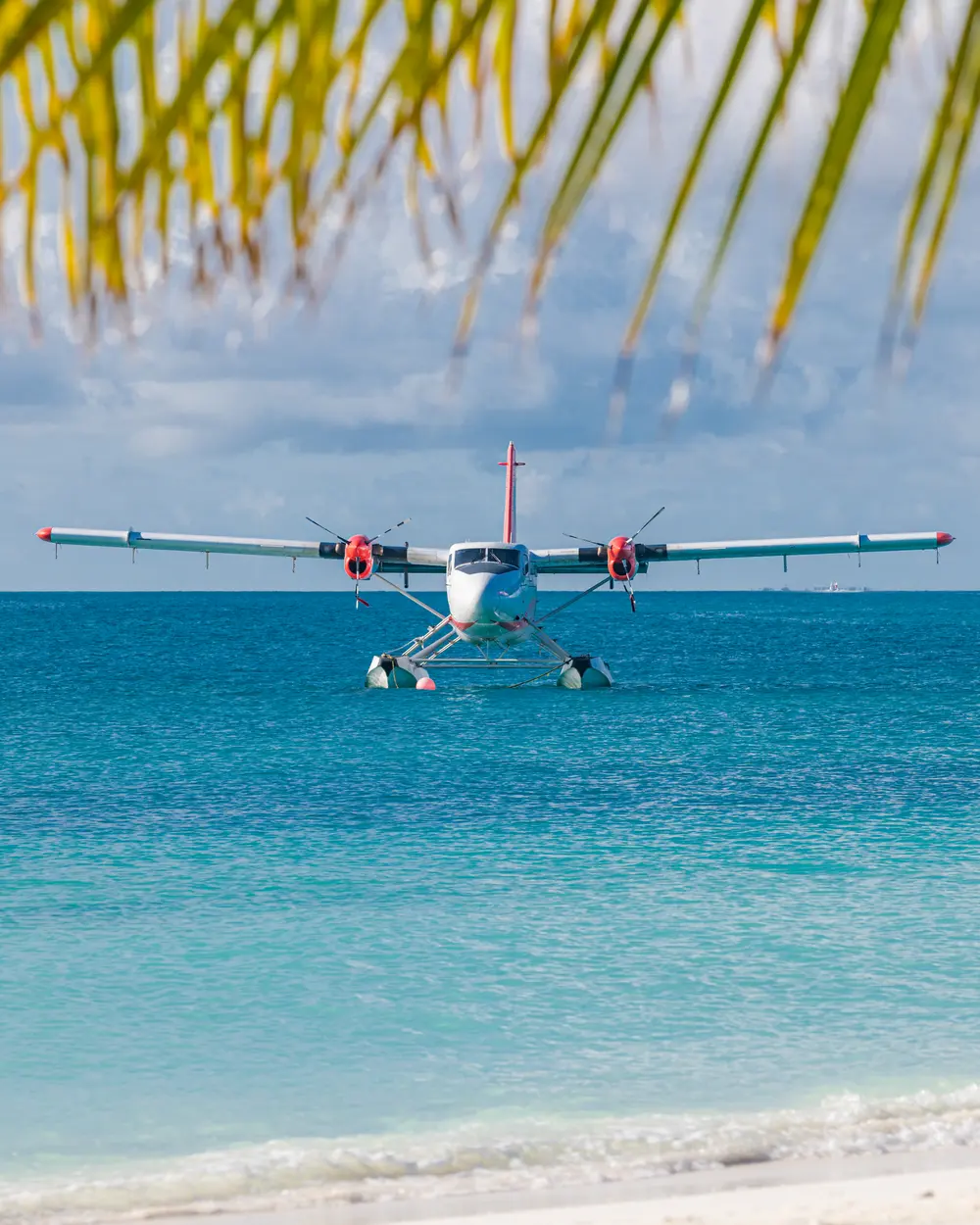

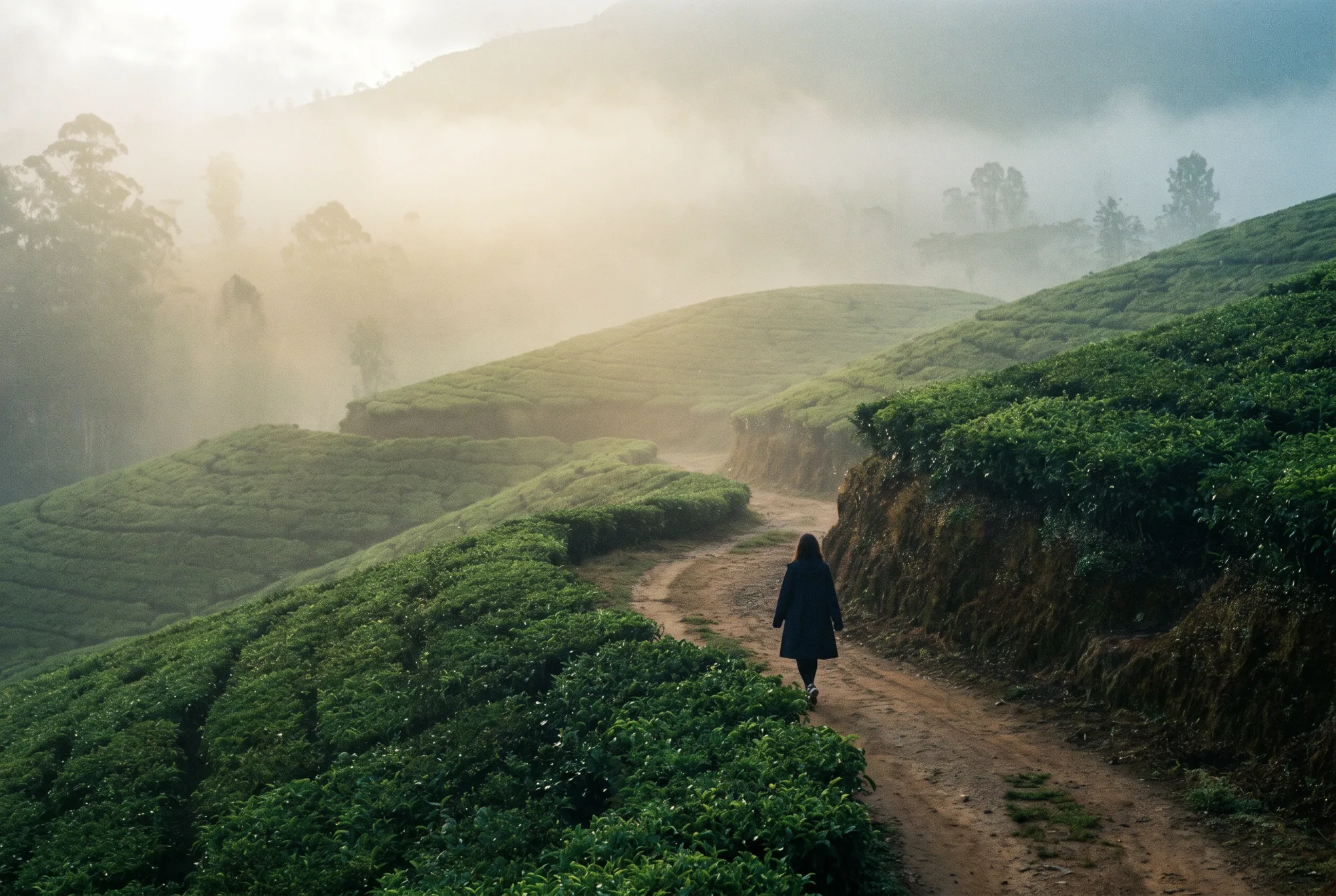
A small island with two monsoons, which means there is almost always good weather somewhere, if you know which coast to be on.
The two-monsoon rule that governs everything
JMJ Experiences plans Sri Lanka around two monsoons, not one: the Yala monsoon brings rain to the south coast, west coast, and hill country from roughly May to September, while the Maha monsoon turns to the north and east from roughly October to January. This is the single fact that decides when to go. The dry coast flips with the season, so there is no one best time to visit Sri Lanka, only the best time for the region you want. Read the calendar by region, and nearly every month is dry somewhere worth visiting.
Sri Lanka weather by month makes little sense until you hold both monsoons at once. The southwest monsoon (Yala) soaks the popular south and west coasts and the central highlands from May to September. The northeast monsoon (Maha) wets the north and east from October into January. Between them sit two shorter inter-monsoon spells, in March to April and again in October to November, that scatter afternoon thunderstorms island-wide.
The rule is simple. When one coast is wet, the other is usually dry. That is why the best time for the east coast of Sri Lanka sits mid-year, exactly when the south is under cloud.
| Month | Best regions to visit | Conditions | Why go |
|---|---|---|---|
| January | South and west coast, Cultural Triangle, hill country | Dry, sunny southwest; cool highlands | Peak beach sun, whale watching off Mirissa, clear tea country |
| February | South and west coast, Yala, hill country | Driest southwest month | Leopards at Yala, blue whales off Mirissa, reliable sun |
| March | South and west coast, Cultural Triangle, Yala | Warm, largely dry, heat building | Strong wildlife, quieter than February, clear highlands |
| April | Hill country, south coast | Hot island-wide, first inter-monsoon showers | Nuwara Eliya season, New Year festivals, last of the southwest dry spell |
| May | East coast begins, Yala | Southwest monsoon arrives, east drying | Shift east, Arugam Bay surf opens, safari still strong |
| June | East coast (Trincomalee, Pasikuda, Arugam Bay) | Wet southwest, calm dry east | East coast beaches, whales off Trincomalee, surf |
| July | East coast, Cultural Triangle | Dry east and north-central | Kandy Perahera, Minneriya elephants, flat eastern seas |
| August | East coast, Cultural Triangle | Dry east, wet southwest | The Gathering at Minneriya, festivals, warm calm east |
| September | East coast, Cultural Triangle | East dry window closing, southwest easing | Fewer visitors, elephants still gathering, good value |
| October | Hill country, Cultural Triangle | Second inter-monsoon, widespread thunderstorms | Lowest prices, greenest landscapes, forgiving crowds |
| November | South and west coast reawakening, hill country | Inter-monsoon easing, southwest drying | Whale season returns to Mirissa, quiet beaches before peak |
| December | South and west coast, Cultural Triangle, hill country | Dry, sunny southwest; festive peak begins | Whale watching, warm beaches, dependable sun |
Best time for the south and west coast beaches
December to March is the reliable dry window for Galle, Bentota, Mirissa, and the southern beaches, with March and early April holding on before the heat builds. Seas are calm, skies are settled, and this is the main season for whale watching off Mirissa, as blue whales and sperm whales pass close to shore. Surfers find their season here too, around Weligama and Midigama from November to April.
This coast is the classic first visit, and it is busiest from Christmas through February. Book the quieter properties early.
Best time for the east coast
May to September is the east coast's turn. While the southwest sits under monsoon, Trincomalee, Pasikuda, and Nilaveli dry out into flat, clear seas, and Arugam Bay opens its long surf season. This is also the east's whale window, with sightings best off Trincomalee. For travellers who want warm, empty sand in the European summer, the east is the answer most itineraries miss.
Best time to visit Sri Lanka for wildlife
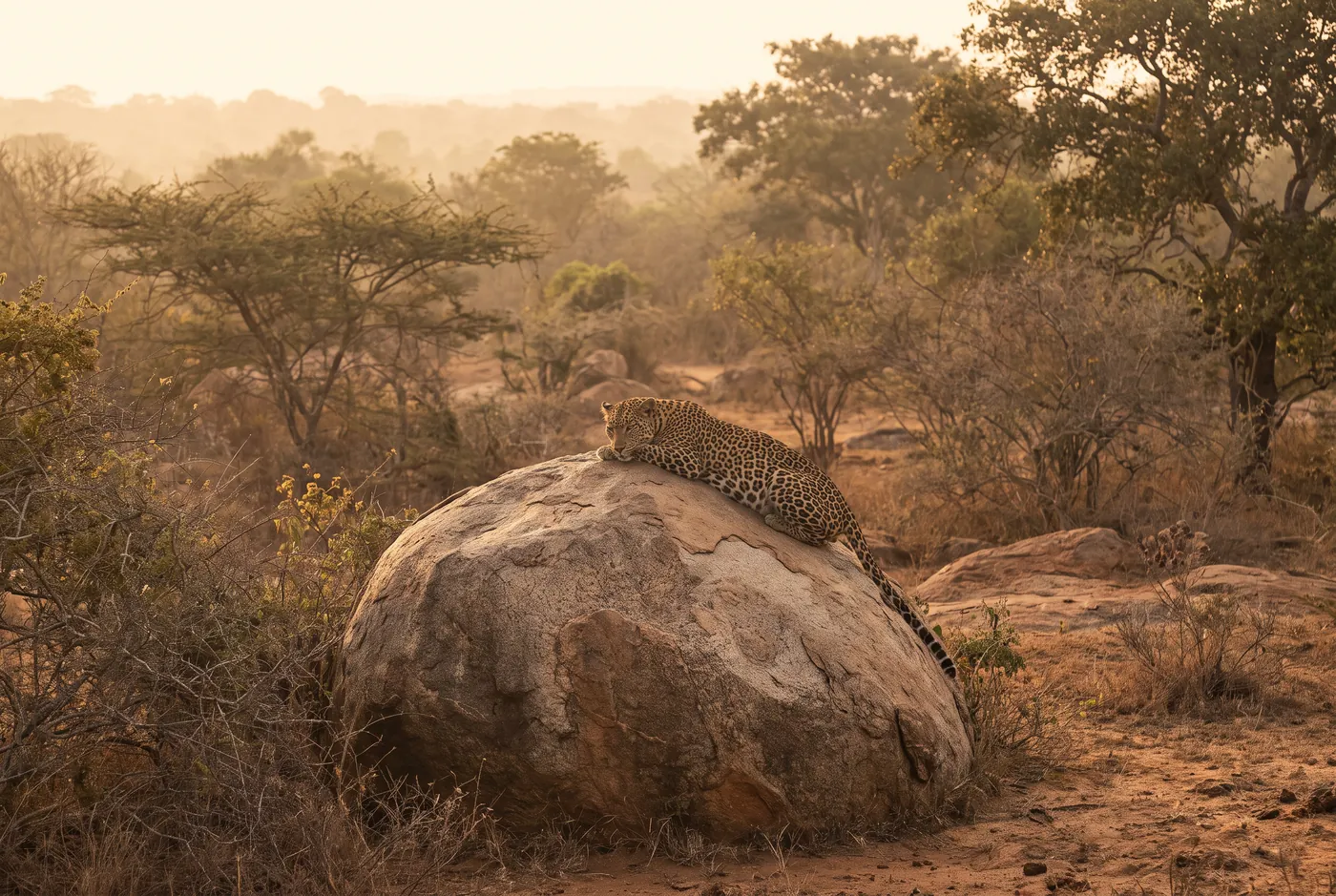
February to July is the best time to visit Sri Lanka for wildlife on the southern circuit, as the dry season draws animals to shrinking waterholes. Yala season peaks in these months for leopard sightings, and Udawalawe delivers elephants reliably year-round, at their best from January to March. For sheer numbers, August and September bring The Gathering at Minneriya, one of Asia's largest congregations of wild elephants.
Tea country and the Cultural Triangle
The hill country reads differently from the coast. Kandy, Nuwara Eliya, and Ella stay cool all year and are at their clearest from January to April, with Nuwara Eliya's own season peaking around April. Tea country rewards the dry months with long views across the plantations. The Cultural Triangle, taking in Sigiriya, Anuradhapura, and Polonnaruwa, travels well most of the year, though it is hottest from March to May and wettest during the October to November transition.
Peak season, shoulder season, and when to travel quietly
High season on the south and west coasts runs December to March, with the sharpest prices and crowds around Christmas, New Year, and February. Low season is the May to September southwest monsoon and, most of all, October. The quiet reward sits in the shoulder weeks: late November into early December, and March, when the weather is strong and the coast is calm before it fills.
Frequently asked
When is the best time to visit Sri Lanka?
The best time to visit Sri Lanka is December to March, when the south coast, west coast, hill country, and Cultural Triangle are all dry at once. For the east coast, the window flips to May to September. There is no single best season, because the right month depends on the region you want to see.
What is the worst time to visit Sri Lanka?
October is the most challenging month, when the second inter-monsoon brings thunderstorms across much of the island as the two monsoons change over. No month is a write-off, though. Even in October the weather clears in patches, the landscapes are at their greenest, and prices fall to their lowest of the year.
When is the rainy season in Sri Lanka?
Sri Lanka has two rainy seasons. The Yala monsoon brings rain to the south, west, and hill country from roughly May to September, and the Maha monsoon brings rain to the north and east from roughly October to January. Two shorter inter-monsoon spells in March to April and October to November add island-wide thunderstorms.
What is the best month to visit Sri Lanka?
February is the best single month for most first visits. It is the driest month on the south and west coasts, leopard sightings peak at Yala, and blue whales pass close to Mirissa. January and March run a very close second, with March offering slightly thinner crowds and warmer air.
What is the best time to visit Sri Lanka for wildlife?
February to July is the best time for wildlife, when the dry southwest concentrates animals around waterholes at Yala and Udawalawe. For elephants, August and September bring The Gathering at Minneriya, one of Asia's largest wild elephant congregations. Leopard sightings at Yala are strongest through the dry months.
When is the best time for whale watching in Sri Lanka?
December to April is the best time for whale watching off Mirissa on the south coast, when blue whales and sperm whales pass close to shore. On the east coast the season shifts to May to September, with sightings best from Trincomalee. The two coasts effectively trade the whale season between them.
When is the best time to visit the east coast of Sri Lanka?
May to September is the best time for the east coast, including Trincomalee, Pasikuda, and Arugam Bay. This is exactly when the south and west coasts are wet, so the east becomes the island's dry side. Seas turn calm for swimming and Arugam Bay's surf season runs at full strength.
When is peak season versus low season in Sri Lanka?
December to March is peak season on the south and west coasts, with the highest prices around Christmas and February. Low season falls in the May to September southwest monsoon and the October inter-monsoon. The shoulder weeks in late November and early December offer strong weather with noticeably fewer visitors.