
There is no single best time to visit Malaysia: two monsoons split the country down the middle, so December suits Langkawi and fails the Perhentians. Pick the coast first and the month follows.
The best time to visit Malaysia depends on the coast
Ask about the best time to visit Malaysia and you will get different answers depending on which coastline the person answering happens to love. That is geography, not evasion. Malaysia runs on two monsoons. The northeast monsoon arrives around November and sits over the peninsula's east coast until roughly March. The southwest monsoon, from about May to September, brushes the west coast far more gently. So December is a fine month for Langkawi and a poor one for the Perhentian Islands, and July reverses both verdicts.
The useful question, then, is not when but where. Choose the west coast, which includes Kuala Lumpur, Penang and Langkawi, and December to March is your window. Choose the east coast islands and it flips to April through September. Borneo sits in between, most reliable from about March to October. The flight is about seven hours from Dubai, short enough that a week works well, which makes getting the season right the main planning decision rather than an afterthought.
Two monsoons, one mountain spine
The peninsula has a ridge of mountains down its middle, and that ridge decides everything. The northeast monsoon blows in wet off the South China Sea, hits the east coast first and drops most of its rain there. By the time the weather crosses the mountains, the west coast is sitting in a rain shadow, which is why December in Penang can be dry and bright while the east coast towns are under heavy cloud. Few countries this compact hold two coastlines with opposite calendars.
The southwest monsoon is the milder sibling. Sumatra takes much of its force before it reaches Malaysia, so the west coast's wetter months mean afternoon storms rather than days of grey. Kuala Lumpur, meanwhile, largely ignores both systems. The capital is equatorial: it rains there in most months, usually in a loud hour towards late afternoon, and the city carries on as if nothing happened. Any honest answer about the best time to visit Malaysia starts with a map, not a month.
The west coast window, December to March
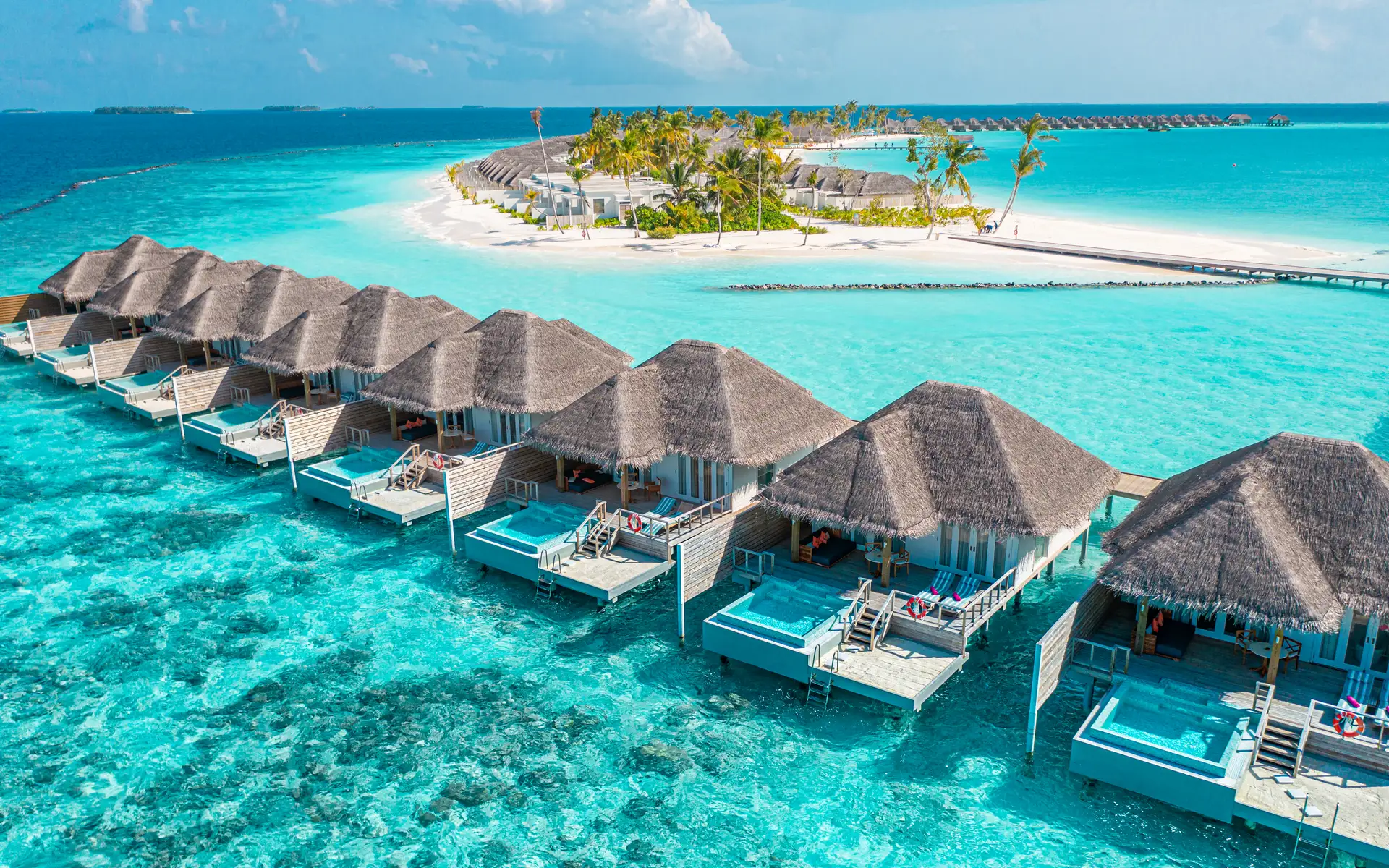
Langkawi and Penang are at their best from about December to March: the driest skies of their year, calm seas, and long settled stretches that suit a beach-led itinerary. This is also when the light is at its most forgiving for the things the west coast does well: slow mornings, boat days around Langkawi's archipelago, George Town on foot in the relative cool. It is no accident that this coast keeps appearing on the honeymoon shortlist for 2026, since the season aligns neatly with northern-hemisphere winters.
The catch is demand. These are the same months the northern hemisphere wants to escape, and the best villas and suites on Langkawi book out months ahead, with rates to match the pressure. February is often the sweet spot: the New Year surge has passed, the weather has not. And even in the driest window this is still the equator, so build your days around the possibility of a shower rather than promising yourself unbroken blue.
The east coast runs on the opposite calendar
The Perhentian Islands, Redang and Tioman keep a season of roughly April to early October. Within it, June to August brings the calmest seas and the clearest water, which is when the snorkelling and diving that draw people across to this coast are at their best. These islands are smaller and quieter in character than Langkawi, less built and more barefoot, and the reward for hitting the season correctly is some of the most transparent water in Southeast Asia.
Outside the season, this coast does not merely get wet, it closes. During the northeast monsoon the seas turn rough, boat transfers stop running, and many island operations shut entirely from around November to February. This is the single most common Malaysia planning mistake we see: a December trip built around the east coast. If your dates are fixed to the northern winter, choose the other coast. If your heart is set on these islands, move the trip, not the expectation.
| Months | West coast and KL | East coast islands |
|---|---|---|
| December to February | Driest and busiest | Monsoon, most islands closed |
| March to May | Warm, crowds thinning | Season opens, seas settle |
| June to September | Afternoon showers, quieter | Peak conditions |
| October to November | Wettest transition | Season winds down |
Borneo and the highlands play by their own rules
Malaysian Borneo, meaning Sabah and Sarawak, is most reliable from about March to October, when river levels behave and wildlife viewing along the waterways is at its steadiest. This is rainforest, so rain is never fully absent in any month, and a dry season here means fewer and shorter downpours rather than none. Treat any Borneo forecast as a rhythm rather than a promise and the place will not disappoint you.
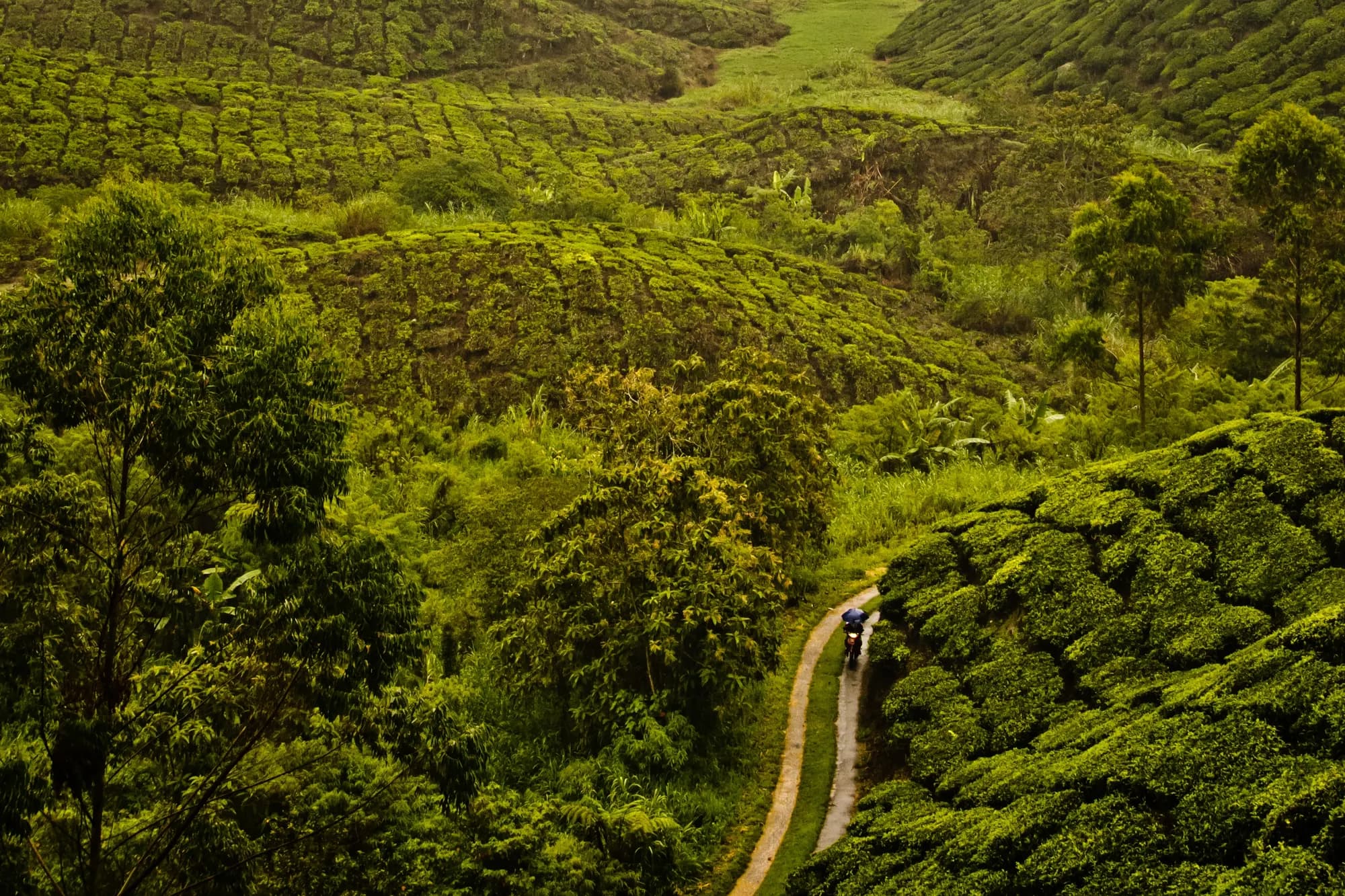
The peninsula's interior is the quiet exception to all this seasonal arithmetic. The Cameron Highlands sit high enough to stay cool year round, tea estates and morning mist in any month you choose, and Taman Negara's rainforest is simply wetter or less wet. A trip that pairs one coast with the highlands is an argument for fewer places and longer stays: two contrasting worlds on one unhurried route, with no internal flights required.
Crowds, holidays and the honest shoulder months
Weather is only half the calendar. Malaysia's islands and highlands fill with domestic and Singaporean travellers during school holidays and long weekends, and the festive periods around Chinese New Year and Hari Raya bring genuine pressure on rooms and transport, worth checking against your dates before you commit. Add the northern-hemisphere winter rush on the west coast and you have three separate tides of demand, none of which care about your preferred week.
The shoulder months are where the value sits. April, May, September and October on the west coast are greener, quieter and noticeably easier to book, the trade being a higher chance of an afternoon storm. That pattern, and why it favours travellers who can be slightly flexible, is the case for the off-season in miniature: you give up certainty at the margins and get the place substantially to yourself.
How we plan Malaysia
We start with one question: are your dates fixed, or is the destination fixed? If school terms or annual leave pin you to December, we plan the west coast and the highlands and do not pretend the east coast is available. If the Perhentians or Borneo are the point of the trip, we move the dates to meet them. Most of the disappointment we see in Malaysia itineraries comes from forcing those two answers into the same trip.
From there the build is straightforward: Kuala Lumpur as the arrival pause, one coast done properly rather than two done badly, and the highlands or Borneo as the change of register. We handle the season logic, the transfers and the pacing so the trip fits the monsoon rather than fighting it. If Malaysia is on your list for the coming year, tell us your months on the enquiry page and we will tell you honestly which coast they buy you.
Frequently asked
What is the best time to visit Malaysia?
There is no single answer, because two monsoons split the country. The west coast, including Kuala Lumpur, Penang and Langkawi, is at its best from December to March. The east coast islands run from April to early October, peaking June to August. If you want one stretch that covers the most ground, February to April is the safest compromise: the west coast is still dry and the east coast is beginning to open.
When is the best time to visit Malaysia's east coast islands?
April to early October, with June to August offering the calmest seas and clearest water for snorkelling and diving around the Perhentians, Redang and Tioman. Avoid November to February: the northeast monsoon brings rough seas, boat transfers stop, and many island operations close entirely for the season. If your dates fall in the northern winter, plan the west coast instead.
Is December a good time to visit Malaysia?
For the west coast, yes, one of the best months of the year: Langkawi, Penang and Kuala Lumpur are all in their driest, most settled stretch. For the east coast islands it is one of the worst, since the northeast monsoon closes most of them. December is also peak demand on the west coast, so book well ahead and expect the year's strongest competition for the best rooms.
What is the best time to visit Kuala Lumpur?
Any month, honestly. The capital is equatorial, so it rains in every season, usually as a short, heavy burst in the late afternoon rather than all-day grey. The city is built for it, and plans simply shift indoors for an hour. The months around the monsoon transitions, roughly April and October to November, tend to be the wettest, but no month rules the city out.
When should I visit Langkawi and Penang?
December to March is the driest and most settled window on the west coast, with February often the sweet spot after the New Year rush. April, May, September and October are workable shoulder months: greener, quieter and easier to book, with a higher chance of afternoon storms. September and October are usually the wettest, so keep beach expectations flexible then.
What is the best time to visit Malaysian Borneo?
March to October is the more reliable stretch for Sabah and Sarawak, when river levels are steadier for wildlife trips and forest trails are in better condition. This is rainforest, so no month is dry in the way a Mediterranean summer is dry: expect showers year round and treat the drier season as fewer downpours, not none. The wettest months are typically November to February.
When is monsoon season in Malaysia?
There are two. The northeast monsoon runs from roughly November to March and delivers heavy, sustained rain to the peninsula's east coast and parts of Borneo. The southwest monsoon, from about May to September, is much milder and touches the west coast, where it tends to mean afternoon storms rather than washed-out days. Which one matters depends entirely on which coast you are visiting.
Is Malaysia cheaper in the low season?
Generally, yes. Demand on the west coast eases outside the December to March peak, and shoulder months like May or September usually bring softer rates and far better availability at the top properties. The east coast is different: its low season is a genuine closure rather than a discount, since many island operations shut from November to February. Off-season value only exists where the place is actually open.