
The best time to visit Hong Kong is not a season but a window: roughly late October to late November, when the humidity finally breaks. Here is why it is so short, and what to do if your dates fall outside it.
The best time to visit Hong Kong, answered properly
The best time to visit Hong Kong is a window of roughly four weeks, from late October to late November. The humidity, which weighs on the city for much of the year, finally breaks. Skies clear, daytime temperatures settle in the low to mid twenties, and a city that spends its summer behind a veil of haze turns sharp again. You can walk uphill without changing your shirt afterwards. It is not a secret window, and that is the honest catch: everyone who knows Hong Kong knows it.
The wider truth is that October to December is all good, and either shoulder is workable. But if you are choosing freely, with no school calendar or wedding date pinning you down, aim for those four weeks. The northeast monsoon has arrived and pushed the wet season out to sea; the cool, grey spells of deeper winter have not yet begun. It is the one stretch of the year when the weather asks nothing of your itinerary, and Hong Kong is a city best experienced on foot.
Why four weeks, not four months
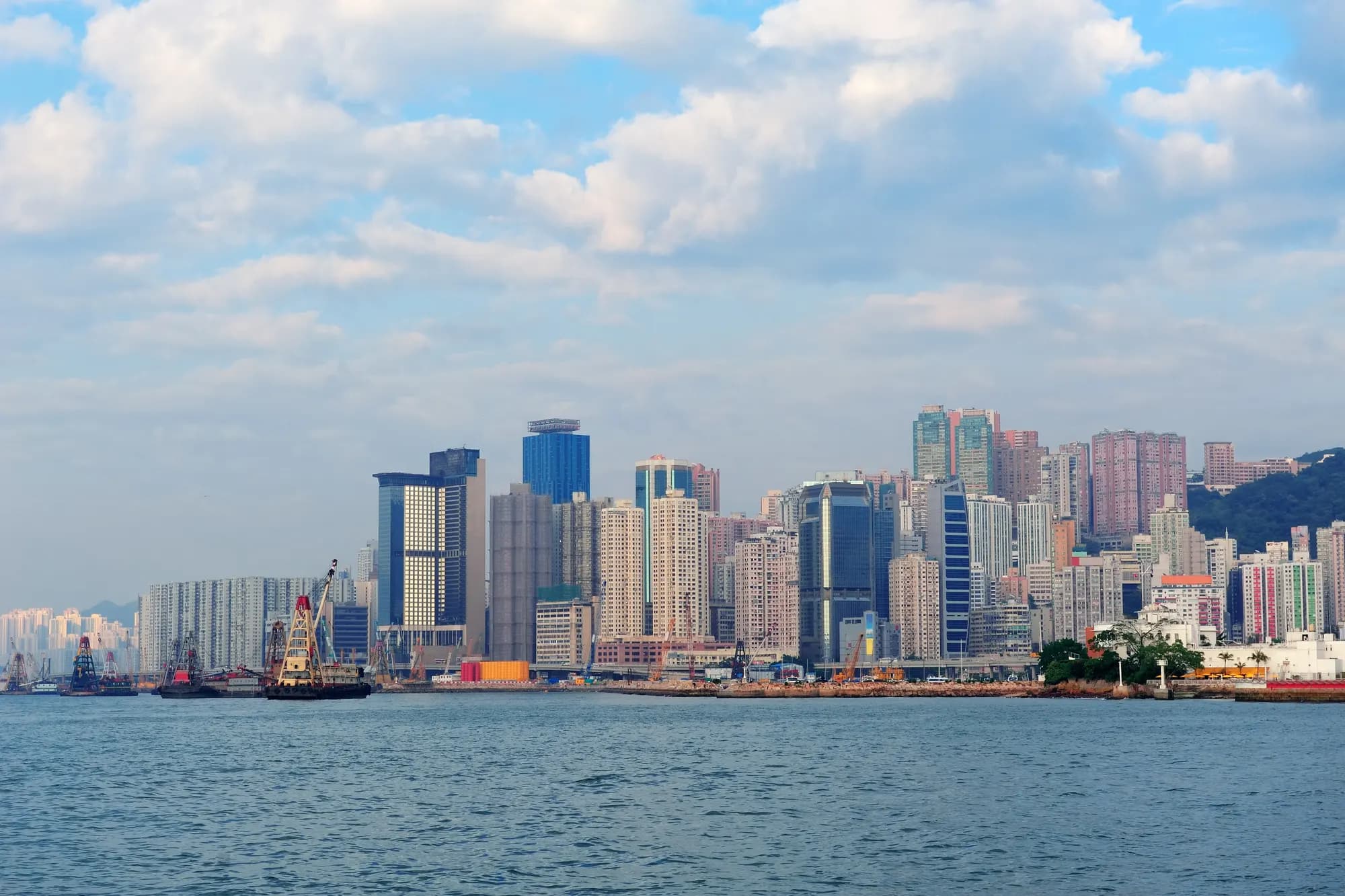
Hong Kong is subtropical, and its year is really two seasons with brief handovers between them. From May to September the summer monsoon delivers most of the annual rain, temperatures hold in the low thirties, and the humidity makes the air feel like a warm flannel. Some time in October the wind swings round to the northeast and dry continental air takes over. The change is quick and unmistakable: within a week or two the haze lifts, the harbour comes back into focus and the hills turn crisp.
At the other end, the window closes gently rather than slamming. December is usually still clear and dry, but cold fronts start pushing through, and a front can drop temperatures ten degrees in a day and hold them there for a week. January and February are the coolest months, grey more often than not. None of this is a hardship; it is simply less reliable. Late October to late November is the part of the year you can book months ahead and feel confident about.
The rest of the calendar, honestly
Summer, from May to September, is the season to plan around rather than for. It is hot, wet and intensely humid, and it is also typhoon season, which peaks in August and September and can close the city down for a day at a time. Hong Kong copes better than almost anywhere: the covered walkways, the malls, the MTR and the restaurants mean life continues in air conditioning. But you came for the harbour, the hills and the streets, and summer keeps you from all three at their best.
Spring is the season that surprises people. March and April sound promising on paper, warm and not yet wet, but this is when the fog arrives. Moist air moving over a still-cool sea produces weeks of low cloud and drizzle, and the famous skyline can vanish entirely. If your picture of Hong Kong involves the view from the Peak, spring is the season most likely to withhold it. It is a fine time for food, markets and museums, and a poor one for photographs.
The catch: the best weather is also the busiest
Everyone reads the same forecast. October and November are when hotel rates in Hong Kong climb, and the city's conference and trade fair calendar clusters in exactly the same months, which can fill good hotels midweek with no leisure travellers in sight. Early October also brings a mainland Chinese holiday week, when the border crossings and the big attractions are at their fullest. None of this should put you off; it should simply shape the booking. Reserve early, and check what the convention calendar is doing to your dates before you fix them.
Chinese New Year, which falls in late January or February depending on the year, is its own case. The city is at its most festive and its most family-oriented, with flower markets, fireworks over the harbour and a genuine sense of occasion. It is also when many small restaurants and family businesses close for the first few days, and when rates spike again. Go for the atmosphere, knowingly, or avoid it entirely; the mistake is landing in the middle of it by accident because the flights were convenient.
| Season | What you get | The catch |
|---|---|---|
| Late Oct to late Nov | Clear, dry, low to mid 20s C | Peak rates, trade fair season |
| Dec to Feb | Mostly dry, cool, often bright | Cold fronts, New Year crowds |
| Mar to Apr | Warm days, great for food | Fog and low cloud hide the views |
| May to Sep | Lush hills, softer rates | Heat, humidity, typhoon season |
| Early Oct | Summer heat fading fast | Mainland holiday week crowds |
What the window is actually for
Hong Kong in November is one of the great walking cities. This is the month for the ridge trails above the skyline, for the ferry out to the quieter islands, for eating outdoors without a canopy of cloud or a wall of heat. Around three quarters of the territory is countryside, a fact that surprises almost everyone on a first visit, and the four dry weeks are when that countryside is genuinely usable. It is about eight hours from Dubai, so a single week gives you six full days on the ground.
The temptation, with weather this reliable, is to fill every hour. Resist it. Hong Kong rewards the traveller who does less, better: one district walked slowly, one long lunch, one island with no schedule attached. We have written before about the case for fewer places, longer stays, and this city is the argument in miniature. Five unhurried days here beat eight days spent queuing for viewpoints, and the four-week window is precisely what makes the unhurried version possible.
If you cannot make the four weeks
The nearest miss is barely a miss at all. Early December keeps most of November's virtues, with slightly cooler evenings and the city dressing itself for Christmas, and for travellers starting in the UAE it lines up neatly with the December long weekend. Late September works too if you accept one caveat: the heat is fading but a late typhoon is still possible, so build a flexible day into the plan rather than a fixed one.
If your dates land squarely in the off months, the trip changes shape rather than falling apart. Summer suits travellers who plan mornings outdoors and afternoons in museums, dim sum rooms and galleries, and it brings softer rates and thinner crowds, the same logic behind why shoulder seasons reward travellers. Spring suits eaters more than photographers. The only genuinely poor fit is a short trip built entirely around the views, booked into March fog or an August storm watch.
How JMJ plans a Hong Kong trip
We start with the calendar, not the wish list. First we pin your dates against the weather, the convention schedule and the holiday weeks, because in Hong Kong the difference between a good week and a frustrating one is usually the date, not the destination. Then we settle the one structural decision the city forces: which side of the harbour to sleep on, since crossing it twice a day quietly eats an hour you will not get back. Only then do we talk about what to do.
A JMJ Hong Kong itinerary tends to be short on entries and long on margins: a table already booked where booking matters, a guide only where a guide earns their place, and at least one afternoon left deliberately empty. If the four-week window suits your year, tell us early, because the best of it goes first. Share your dates and the shape of your party through our enquiry page, and we will tell you honestly whether your week is a good one, and what we would change if it is not.
Frequently asked
What is the best time to visit Hong Kong?
Late October to late November is the best time to visit Hong Kong. The northeast monsoon brings dry, clear air, humidity falls to comfortable levels and daytime temperatures sit in the low to mid twenties Celsius. The wider October to December stretch is also reliably good. The trade-off is demand: this is peak season for hotels and for the city's conference calendar, so book well ahead.
What is the worst time to visit Hong Kong?
For most travellers, August and early September are the hardest months. The heat and humidity are at their peak and typhoon season is at its most active, which can occasionally pause ferries, offices and attractions for a day. March and April are a quieter kind of difficult: warm enough, but prone to fog and low cloud that hide the skyline. Neither ruins a trip, but both ask for a flexible plan.
Is December a good time to visit Hong Kong?
Yes, December is a very good month, especially the first half. Days are usually dry, bright and cool, the city is decorated for Christmas and the harbour views are often at their clearest. The caveats are cold fronts, which can drop temperatures sharply for a few days at a time, and holiday-season demand around Christmas and New Year, when rates rise and restaurants book out early.
When is typhoon season in Hong Kong?
Typhoon season runs roughly from May to November, with the most active period in August and September. A storm affecting your particular week is uncommon, but when a storm signal is raised, transport, offices and attractions can pause for a day or so. If you travel in these months, keep one flexible day in the plan and treat any enforced pause as a reading day rather than a lost one.
Is summer a good time to visit Hong Kong?
Summer works if you plan for it. From May to September expect temperatures around the low thirties, high humidity and regular downpours, with typhoon season overlapping. The compensations are real: softer hotel rates, thinner crowds, lush green hills and a city superbly engineered for staying cool, from covered walkways to air-conditioned museums and dim sum rooms. Plan outdoor time for early morning and keep afternoons indoors.
What is the best month to visit Hong Kong for hiking?
November is the standout month for hiking. The trails along the ridgelines and across the outlying islands are dry, the air is clear enough for long views and daytime temperatures in the low twenties make sustained climbs comfortable. December and January are also good, if cooler on exposed ridges. Avoid June to September for anything strenuous: the heat and humidity turn even short climbs into hard work.
Is Chinese New Year a good time to visit Hong Kong?
It depends on what you want. The city is at its most festive, with flower markets, lion dances and fireworks over the harbour, and the atmosphere is genuinely special. But many small restaurants and family-run shops close for the first days of the holiday, attractions are crowded and rates climb. Go deliberately for the festival, or avoid the fortnight; the mistake is stumbling into it unaware.
How far ahead should I book Hong Kong for peak season?
For late October and November, three to six months ahead is sensible for hotels, and earlier if your dates overlap major trade fairs, which can fill entire districts midweek. Flights from most hubs are frequent, so rooms, not seats, are the real constraint. If you are set on a particular neighbourhood or a harbour-view room category, book at the front of that range rather than the back.