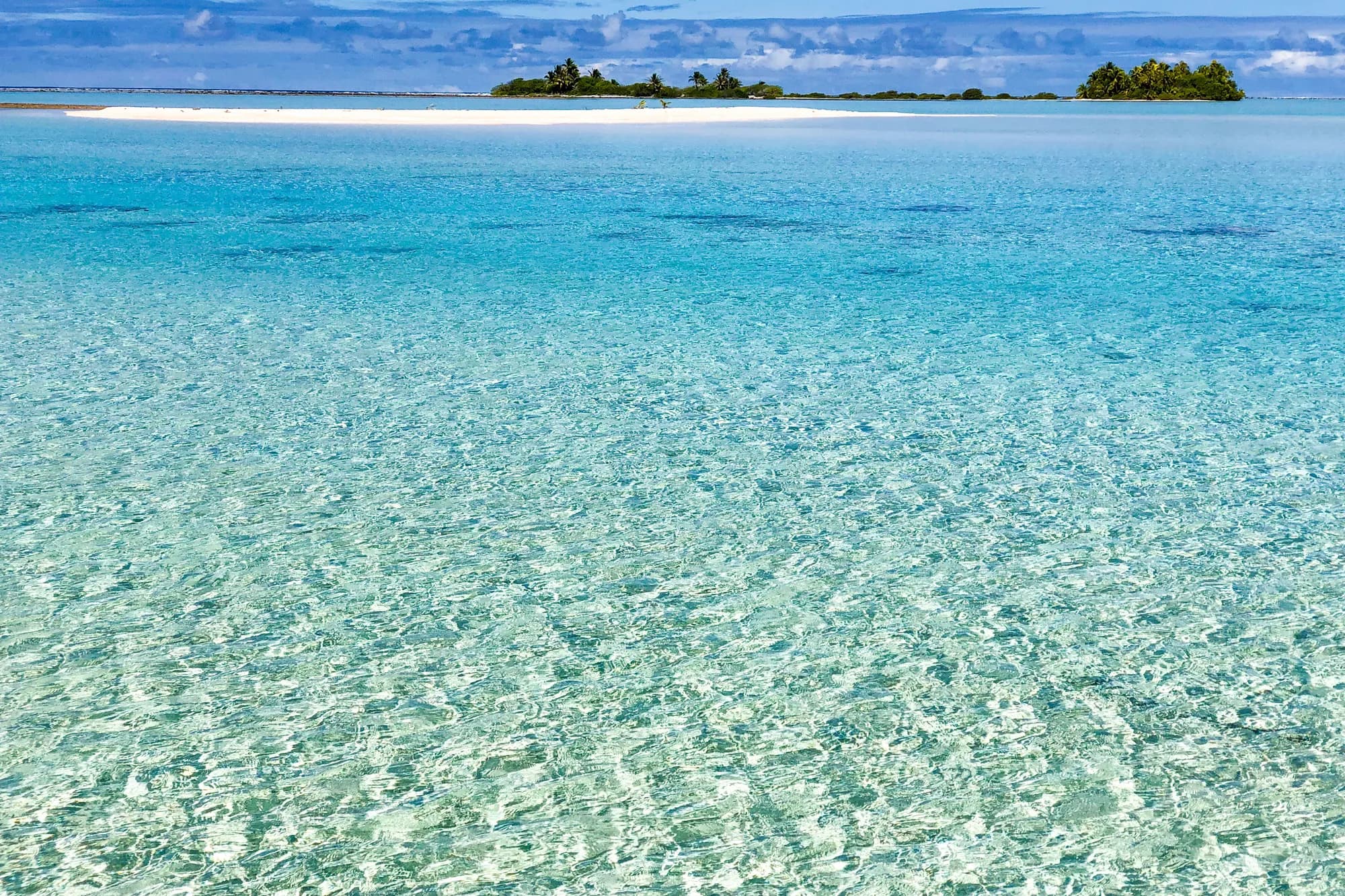
The best time to visit French Polynesia is May to October, but the islands sit a full day's travel from almost anywhere. Here is how to choose the months that repay the airfare.
The best time to visit French Polynesia, answered first
The best time to visit French Polynesia is May to October. This is the austral winter, which sounds forbidding and is anything but: daytime temperatures around 28 degrees, low humidity, and southeast trade winds that keep the air moving. The rest of the year is warmer, wetter and stickier. Within that six-month window, September and October are the quiet achievers, offering the settled weather of high season with fewer people sharing it.
The honest catch is not the weather, it is the distance. These islands sit in the middle of the South Pacific, roughly a full day of travel from Europe or the Gulf, and the fares reflect it. That changes the calculus. A destination this far away should not be visited in its second-best months to save a little on rooms, and it should not be rushed. Get the season right first, then build everything else around it.
The dry season, month by month
May is the hinge month, when the humidity of the wet season drains away and the islands settle into their winter pattern. May and June bring shoulder pricing and quiet lagoons, with one caveat: the trade winds, locally called the maramu, begin to build, and a breezy week is possible. That rarely spoils anything on land, but it can chop up a lagoon crossing or an afternoon planned around a picnic on a motu.
July and August are the driest, most dependable months, and everyone knows it. This is the islands' high season, when the July festival of dance, drumming and outrigger racing fills Papeete, and the most sought-after overwater rooms are reserved the better part of a year ahead. September and October are our preferred answer: the weather holds, the winds ease, the crowds thin, and the humpback whales that arrive mid-year are still in residence.
The wet season is not a write-off
From November to April the islands are hotter, more humid and greener, and the rain arrives mostly as short, heavy afternoon bursts rather than lost days. January to March is the wettest stretch, and it is also the period when tropical storms are possible, so flexible bookings and decent travel insurance both earn their keep. The lagoons stay warm, the light between showers is remarkable, and the mountains of Tahiti and Moorea look their best.
The reward is space and value. Room rates soften, flights are easier to find, and you will share the water with far fewer people. November and early December are the smart pick within the wet season: the humidity is climbing but the heaviest rain has not yet arrived, and the whales have not yet left. We have written before about why shoulder seasons reward travellers, and French Polynesia in November is a textbook case.
| Months | Weather | The honest read |
|---|---|---|
| May to June | Dry, winds building | Shoulder value, quiet lagoons |
| July to August | Driest, breezy | Peak season, book far ahead |
| September to October | Dry, winds easing | Best all-round window, whales at peak |
| November to April | Hot, humid, showers | Greener and better value, storm season |
Whales, winds and water
If a single experience anchors your dates, make it the humpback whales. They migrate up from Antarctic waters to breed and calve between July and November, with August to October the most dependable stretch, and Moorea and Rurutu the best-known places to be in the water near them. Nothing else on the calendar comes close, and the season conveniently overlaps the finest weather of the year.
Divers and snorkellers have their own calendar. Lagoon visibility is best in the dry season, when runoff from the islands is at its lowest, and the famous passes of Rangiroa and Fakarava fish well year-round. Honeymooners, who make up a fair share of the travellers we send here, tend to prize glassy water for the classic overwater mornings: aim for September and October, once the maramu has eased. Our honeymoon shortlist for 2026 explains where these islands sit against the alternatives.
The journey, and how long it deserves
There is no way to make this journey short. From Dubai, the flying alone takes the better part of a day with at least one connection, and from Europe or Asia the door-to-door figure is similar, with a time difference of around half a day waiting at the end. This is not a complaint, it is a planning input. Choose a gentle first island, keep the first two days unscheduled, and let the jet lag pay itself off over the water.
That journey argues for length. We rarely plan French Polynesia at under ten nights, and two weeks across three islands is the shape that repays the airfare properly: perhaps Moorea for the mountains, an atoll in the Tuamotus for the diving, and Bora Bora or Taha'a for the lagoon finale. Fewer places, held longer, beats a stamp-collecting sprint, which is the case for fewer places, longer stays in miniature. If ten nights is not possible, we would honestly rather you waited a year than compressed it.
How JMJ plans French Polynesia
We start with the calendar, not the room. Once your dates are fixed, we work out which islands the season favours, how the inter-island flights sequence best, and where the whale window or the wind pattern should bend the route. For July and August departures we want to be booking the better part of a year out; for September and October, six months is usually comfortable; the wet season allows considerably more spontaneity.
A trip this far from home should feel inevitable by the time you board, with every connection, transfer and lagoon morning already decided by someone who has argued over the details on your behalf. Tell us the month you are considering, or ask us which month suits the trip you have in mind, through our enquiry page. If the honest answer is that you should wait for a better season, we will say so.
Frequently asked
What is the best time to visit French Polynesia?
The best time to visit French Polynesia is May to October, the dry season, when trade winds keep humidity low and skies mostly clear. Within that window, September and October offer the best balance: settled weather, easing winds, thinner crowds than July and August, and humpback whales still present. May and June are the value-conscious alternative at the start of the season.
When is the rainy season in French Polynesia?
The rainy season runs from November to April, with January to March the wettest months. Rain usually arrives as short, heavy afternoon downpours rather than day-long washouts, and the islands are at their greenest. It is also the season when tropical storms are possible, so flexible bookings and decent travel insurance matter more than at other times of year.
Is the best time to visit Bora Bora the same as Tahiti?
Broadly, yes. Tahiti, Moorea, Bora Bora and the rest of the Society Islands share the same pattern: dry from May to October, wet from November to April. The Tuamotu atolls are a touch drier and sunnier through the year. The Marquesas, much further north, run to their own rhythm and are best treated as a separate planning question.
When can you see whales in French Polynesia?
Humpback whales are in French Polynesian waters from roughly July to November, migrating up from Antarctic feeding grounds to breed and calve. August to October is the most dependable stretch. Moorea and Rurutu are the best-known islands for encountering them, with regulated in-water encounters possible in season. If whales are the point of the trip, anchor your dates to September.
What is the cheapest time to visit French Polynesia?
The wet season, November to April, is when rates soften and flights are easiest to find, with January to March the quietest and wettest stretch. November and early December are the canny compromise: better value than the dry season, but before the heaviest rain arrives and while the whales are still around. The saving buys some weather risk, so go in with open eyes.
Is November a good time to visit French Polynesia?
November is one of the smarter months, sitting in the gap between the dry-season crowds and the real rain. Humidity is climbing and afternoon showers become more likely, but long sunny spells are normal, the water is warm, whale season is finishing, and the islands feel pleasantly unhurried. For travellers who value space over guarantees, it is a genuinely good answer.
What is the best month for a honeymoon in French Polynesia?
September or October, by a comfortable margin. The weather is as reliable as July and August, the trade winds have eased so the lagoons sit glassier for those overwater mornings, whale season is at its peak, and you are past the busiest holiday period. May and June are a strong second choice for couples happy to trade a little certainty for quieter islands.
How far in advance should I book French Polynesia?
For July and August, start nine to twelve months ahead: the most sought-after overwater rooms and the best inter-island flight connections go early. September and October are usually comfortable at six to eight months. The wet season allows far more spontaneity, and shorter-notice trips between November and April are entirely workable if you stay relaxed about which island you finish on.