
The reliable answer for the best time to visit Bosnia is late spring or early autumn. The braver answer is winter, when Sarajevo has snow, empty lanes and Olympic mountains forty minutes away.
The short answer on the best time to visit Bosnia
By the usual measure, the best time to visit Bosnia is late spring or early autumn: May and June, or September to the middle of October. The weather is mild in Sarajevo and warm in Mostar, the rivers run a hard green, and the old towns are busy without being crowded. If you want one dependable window and no further reading, book those weeks and you will not go wrong.
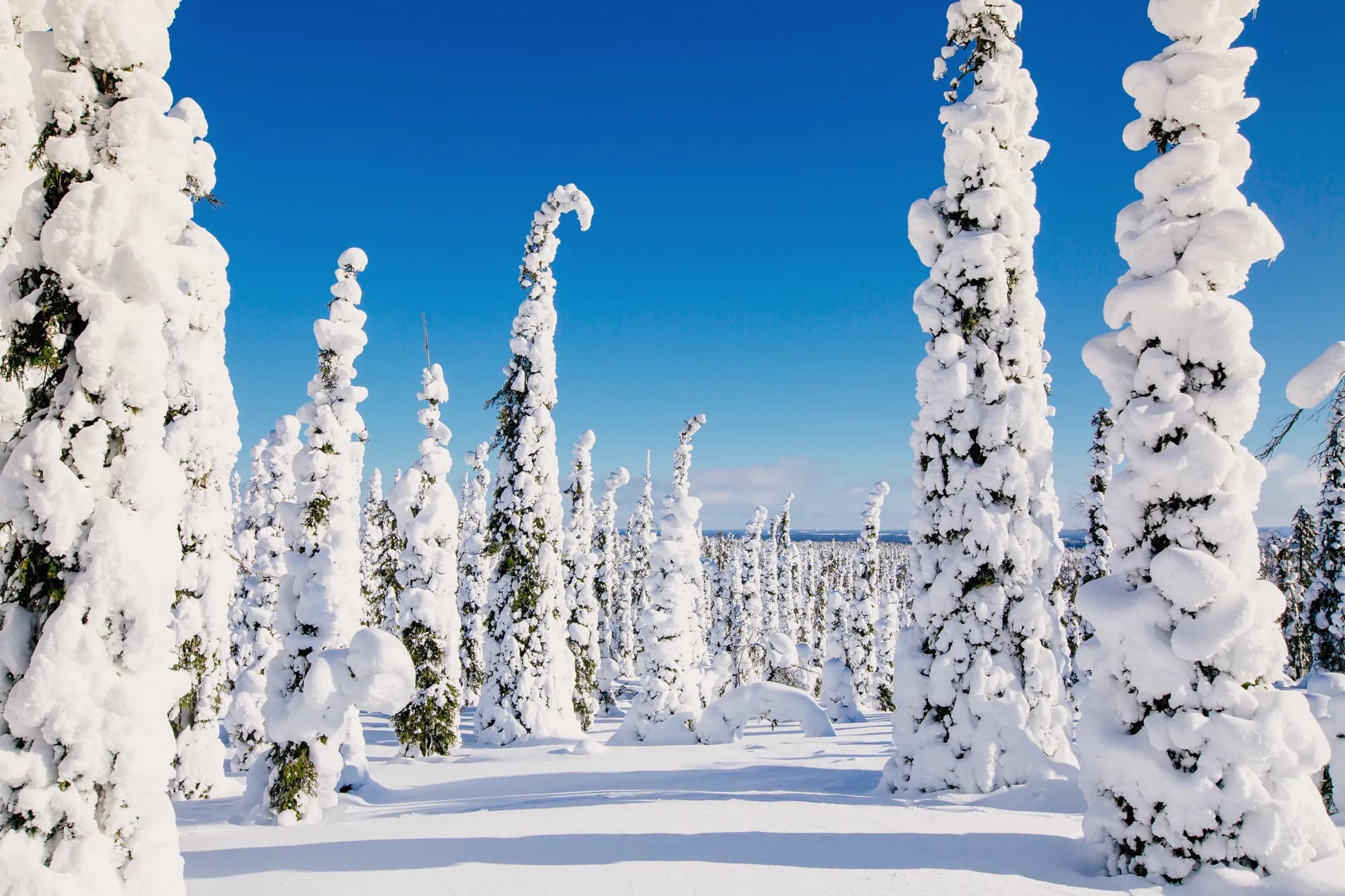
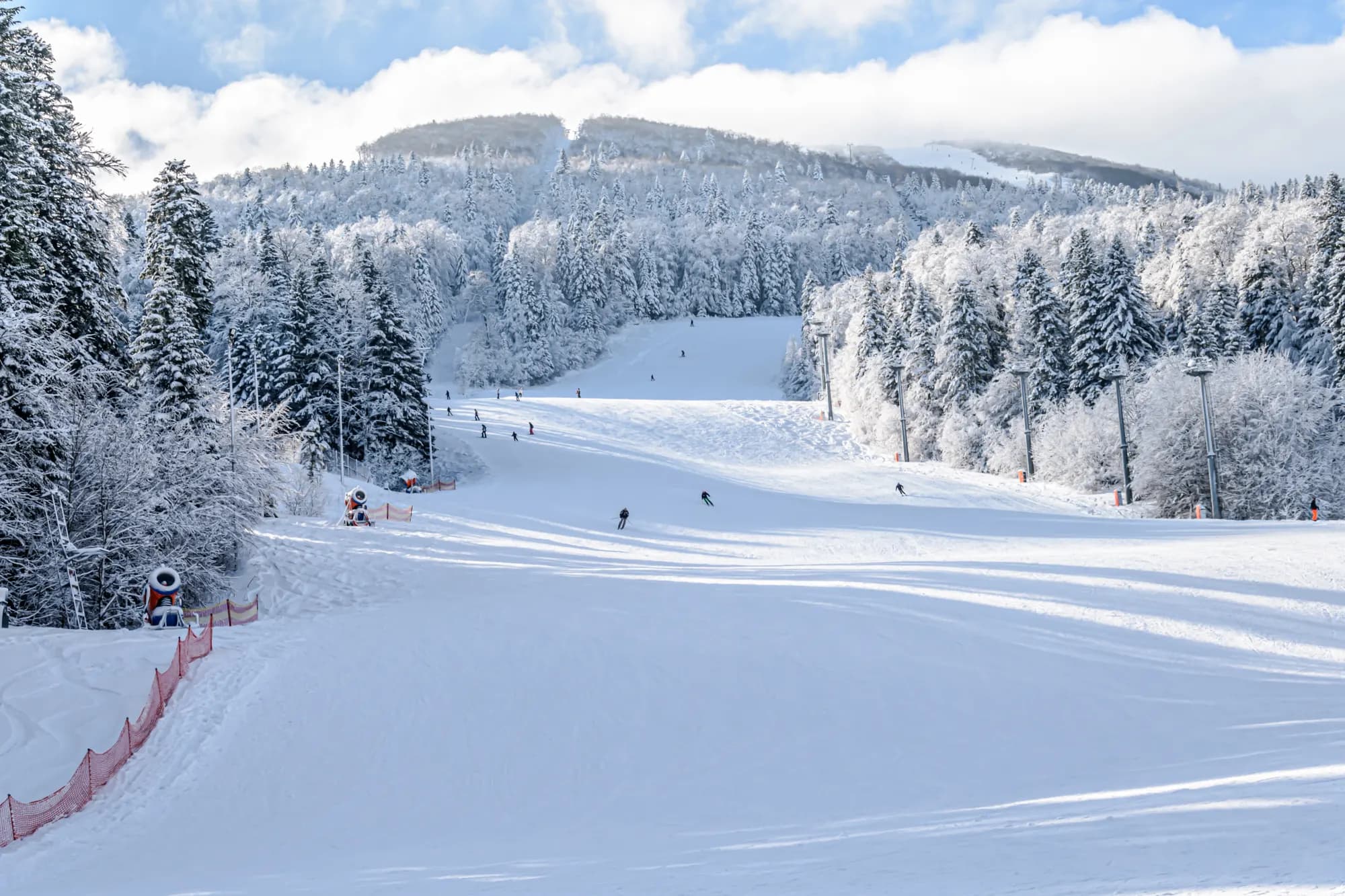
The more interesting answer is winter, which is why this piece carries the title it does. From December to March, Sarajevo sits under proper snow, the mountains that hosted the 1984 Winter Olympics are about forty minutes from the old town, and the cafes fill with people in no hurry at all. It is not the easy season. It is the one that shows you what the country is actually like.
Two climates in one small country
Bosnia is small enough to cross in an afternoon, and it still manages two distinct climates. Sarajevo sits in a mountain valley at around 500 metres, with a continental pattern: real winters, warm summers, four proper seasons. Two hours south, Mostar and the rest of Herzegovina lean Mediterranean, drier and noticeably hotter, warmed by air moving up the Neretva valley from the Adriatic. The same week can mean snow in one city and shirtsleeves in the other.
This is why any honest answer to the best time to visit Bosnia comes with a caveat. In April, Sarajevo can still be thawing while Mostar is already having lunch outside. In August the positions reverse: the capital is pleasant and the south is fierce. The useful approach is to decide which city anchors the trip, plan the season around it, and treat the other as a contrast rather than a compromise.
The case for winter
Sarajevo in winter is the strongest argument this small country makes. Snow settles on the minarets and the Austro-Hungarian facades, the smell of grilled cevapi drifts through the bazaar, and the coffee houses do their best work when it is cold outside. Jahorina and Bjelasnica, the mountains that staged the 1984 Games, are about forty minutes from the centre, so a morning on the slopes and an afternoon in the old town is an ordinary day rather than a logistics project.
The trade-offs are real and worth naming. Daylight is short, roads over the passes want a careful driver, and January can sit grey for a week at a time. Against that: the old town is yours, the ski areas cost a fraction of the Alps, and rooms that are fully booked in June sit empty. We have written before about why shoulder seasons reward travellers, and a Bosnian winter is that argument taken to its conclusion.
Summer, and the honest catch
Summer needs the honest catch stated early: Mostar in July and August is seriously hot. It is regularly among the warmest towns in this corner of Europe, and its pale stone holds the heat well into the evening. The old bridge, the reason most people come, draws coach traffic on day trips from the coast, so the lanes around it are at their thickest exactly when the temperature peaks, roughly late morning to mid afternoon.
The fix is timing within the day and altitude within the country. Stay a night in Mostar rather than day-tripping, and the bridge at seven in the morning is a different place entirely. Sarajevo, higher and greener, stays comfortable when the south bakes, and the uplands around it are genuinely cool. The rivers help too: the Una and the Neretva run cold all summer, which is why the rafting season peaks exactly when the towns are at their warmest.
| Season | Sarajevo | Mostar and Herzegovina |
|---|---|---|
| December to March | Snow, ski season nearby | Cool, damp, very quiet |
| April to June | Mild, green, rivers high | Warm and at its best |
| July and August | Warm but comfortable | Fierce heat, peak crowds |
| September to mid-October | Crisp, autumn colour | Warm, calmer |
| Late October to November | Grey, between seasons | Wet, quietest of the year |
What the Balkans do well
What Bosnia shares with its neighbours is a talent for unhurried time. Coffee is not a takeaway here, it is a sitting, poured from a copper pot and expected to last an hour. Meals arrive without ceremony and keep coming. Distances are short, so a day rarely needs more than one plan in it. If your idea of a good trip leans towards fewer places and longer stays, the Balkans meet you more than halfway.
The other thing the region does well is honesty about what your money buys. Grand international hotels are thin on the ground, and pretending otherwise helps nobody. What Bosnia offers instead is character: restored Ottoman houses, small properties run by families who remember your name, guides who studied the history rather than memorised a script. Travellers who need marble lobbies should look elsewhere. Travellers who measure a trip by its conversations tend to come home still talking about this one.
Getting there, and how long to give it
Sarajevo is about six hours' flying from Dubai, which places Bosnia in the comfortable middle distance: nearer than most of Western Europe, far enough to feel like a change of world, and reachable without losing a day to connections. For winter, that makes it a strong candidate for the December long weekend, when the first snows have usually reached the mountains even if the ski season proper is still warming up.
Five days covers the essentials without rushing: three nights in Sarajevo, two in or around Mostar, and the drive between them, which is one of the better two hours you will spend in a car anywhere in Europe. A full week adds the countryside, which is where Bosnia quietly excels: the waterfalls at Kravice, the old town at Jajce, highland villages where lunch takes the whole afternoon. Shorter than five days works, but it turns a country into a stopover.
How JMJ plans a Bosnia trip
We start with the season question, because in Bosnia it decides everything else: winter builds the trip around Sarajevo and the mountains, summer tilts it towards rivers and early starts, and the shoulder months let you have both halves of the country at full strength. Then we arrange the quiet machinery: a driver who knows the passes, rooms chosen for character rather than chain loyalty, tables booked where booking matters and skipped where it does not.
If a Bosnian winter appeals, start the conversation early: the best small properties hold few rooms and the good mountain weeks go first. Tell us the month you are considering through our enquiry page and we will tell you honestly what that month looks like on the ground, which half of the country it favours, and whether a different fortnight would serve you better. That candour is most of what you are paying us for.
Frequently asked
What is the best time to visit Bosnia?
May to June and September to mid-October are the most reliable months: mild in Sarajevo, warm but not punishing in Mostar, and the old towns busy without being crowded. Winter, from December to March, is the character season, with snow in Sarajevo and skiing on the 1984 Olympic mountains. July and August suit the rivers and the highlands best, and Mostar least.
Is winter a good time to visit Bosnia?
Yes, and it may be the most distinctive time. Sarajevo under snow is one of Europe's finer winter city scenes, and Jahorina and Bjelasnica are about forty minutes from the old town, so city and slopes fit into a single day. The trade-offs are short daylight, mountain roads that want a careful driver, and grey spells in January. Crowds and costs are both at their lowest.
When is the best time to visit Mostar?
April to June and September to October. Mostar is one of the warmest towns in this part of Europe, and in July and August the heat holds into the evening while day-trip crowds from the coast peak around the bridge at midday. If summer is your only window, stay overnight rather than day-tripping: dawn and late evening at the old bridge are calm and much cooler.
Is summer a bad time to visit Bosnia?
Not bad, just lopsided. Sarajevo sits higher and stays comfortable, the uplands are genuinely cool, and the rafting rivers run cold all season, so the north and the mountains are at their best. The south is the challenge: Mostar and Herzegovina get seriously hot, and the bridge lanes are crowded through the middle of the day. Build summer plans around mornings, altitude and water.
How many days do you need in Bosnia?
Five days covers the essentials at a civilised pace: three nights in Sarajevo, two around Mostar, and the scenic drive between them. A week adds the countryside, Kravice, Jajce and the highland villages, which is where the country quietly excels. Anything under four days tends to turn Bosnia into a stopover, and it rewards more patience than that.
When is ski season in Bosnia?
Roughly mid-December to late March, with the most dependable snow from January to early March. The main areas, Jahorina and Bjelasnica, hosted the 1984 Winter Olympics and sit within an hour of Sarajevo, so most visitors ski from the city rather than staying on the mountain. Conditions are less engineered than in the Alps, so late-season weeks carry a little more snow risk.
What is the weather like in Bosnia in October?
October is autumn proper: crisp mornings and gold hillsides around Sarajevo, still pleasantly warm afternoons in Mostar, and the summer crowds gone. Rain becomes more likely as the month goes on, and by late October the mountain evenings need a proper coat. For walkers and photographers it is arguably the best-looking month of the year, and one of our favourite windows for the whole country.
What is the best month to visit Sarajevo?
For comfort, May, June or September, when the valley is green and the cafe terraces are full. For atmosphere, January or February, when the city sits under snow and the ski mountains are in full swing forty minutes away. Sarajevo has a genuine four-season climate, so the honest answer depends on whether you are packing for terraces or for toboggans. Avoid November, which is grey and between seasons.