

A short guide for the daughter in her forties who is planning the trip for everyone.
Almost always, it is the daughter in her forties who calls us. She is planning a trip for her parents, her partner, and two children who do not yet agree on anything. And she would like, just once, to be a guest at her own holiday.
The trick to three generations is not compromise; it is rhythm. We build days that breathe: a shared morning, then hours that split (the grandparents to a slow garden, the teenagers to something with a pulse) and a long table that pulls everyone back together at night.
Done well, no one feels managed and no one feels left out. And the daughter who called us gets to do the thing she planned the whole trip around: nothing at all, for an afternoon, while someone else holds the details.
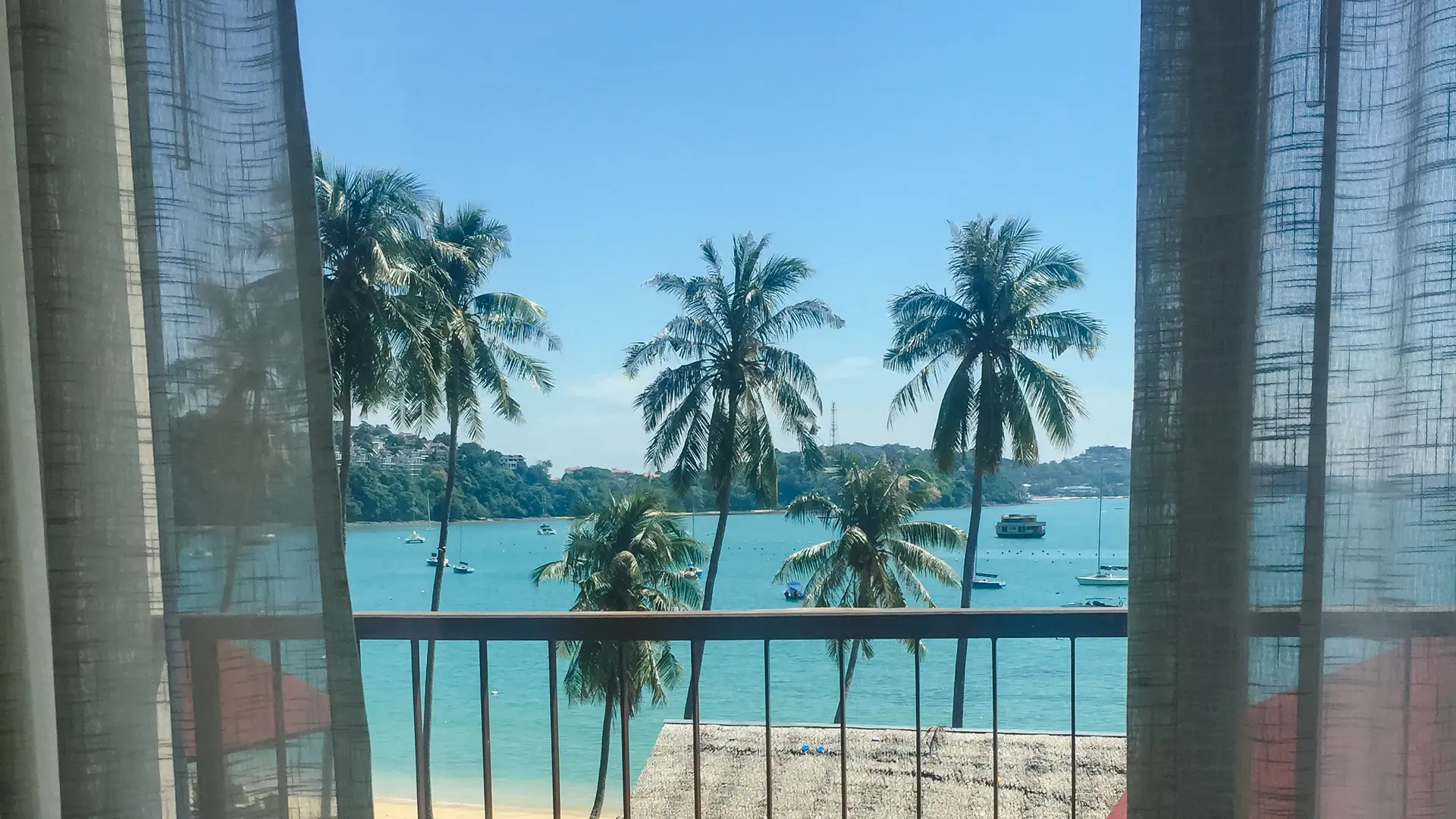
Much of this is settled before you arrive, in the shape of the house you take. A villa with its own kitchen lets the grandparents have an early, quiet breakfast while the teenagers sleep to ten. A ground-floor room spares a bad hip the stairs, and a second car on call means the afternoon split costs no one a choice. Dull details on paper, all of them. They are also the difference between a holiday and a logistics exercise conducted in the heat.
The other thing we insist on is a single person to call, so the daughter stops being the switchboard. When the six-year-old will not eat and the ninety-year-old wants an earlier night, the request goes to someone whose job it is, not to her. A private chef who can send out a plain bowl of rice alongside the crab is worth more, on a trip like this, than any view.
Frequently asked
What kind of accommodation works best for three generations?
We usually lean toward a private villa with staff rather than a block of hotel rooms. A shared kitchen and living space give everyone a place to gather, while enough separation lets a napping toddler and a late-rising teenager both be looked after without waking each other.
Is there an age at which this stops working?
We have done it with grandparents in their nineties and grandchildren still in nappies. The limiting factor is rarely age. It is pace, and pace is the one thing we build the whole trip around.
How do you keep the person who planned it from running the trip?
A single point of contact on the ground, and a guide who reads the group rather than the itinerary. The daughter who arranged everything hands the details over on arrival and stops being the one everyone turns to with a question.