
The two great East African safaris compared: the migration, the crowds, the cost, and how we choose between them.
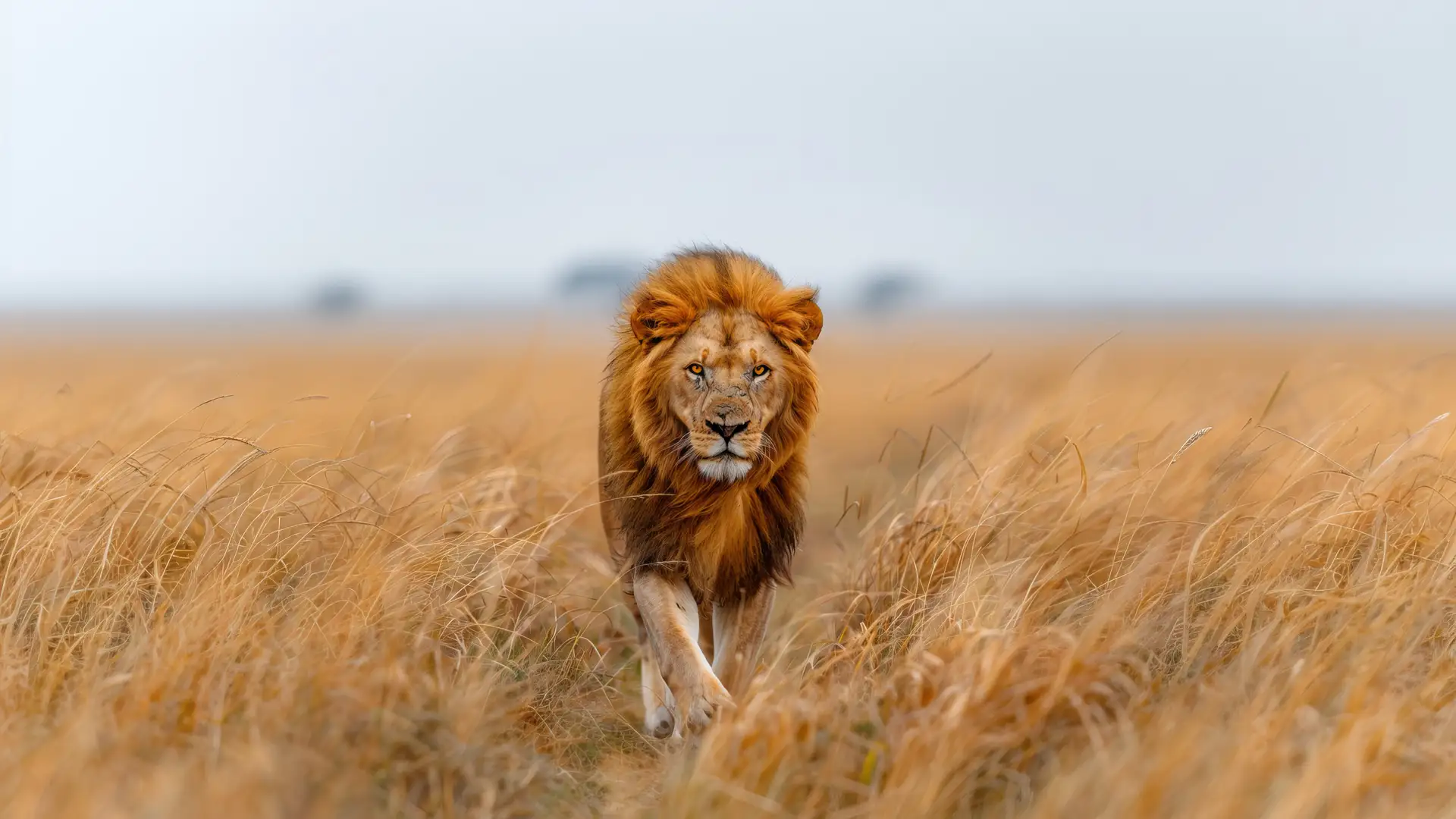
Kenya and Tanzania share the same extraordinary ecosystem (the Maasai Mara and the Serengeti are one continuous plain split by a border) so you cannot really go wrong. The question is less which is better than which suits when you are going and how you like to travel.
The migration is the usual deciding factor. The herds calve in the southern Serengeti around January to March, then move north, reaching the Mara's dramatic river crossings roughly from August to October. If you want the crossings, lean Kenya in late summer; if you want the calving or year-round herds somewhere in the system, lean Tanzania.
Kenya's quiet advantage is its private conservancies. Bordering the Mara reserve, they allow off-road driving, night drives and walking safaris with only a handful of vehicles around a sighting, the kind of exclusivity that solves the single biggest complaint about safaris: crowds. Logistics are easy, and the value is often excellent.
Tanzania answers with sheer scale and drama: the vastness of the Serengeti, the extraordinary Ngorongoro Crater, and remoteness you can feel. It also pairs naturally with Zanzibar for the beach half of a trip, the way Kenya pairs with its own coast or the Indian Ocean islands.
On cost they are broadly comparable at the top end, though Kenya's conservancies frequently offer better exclusivity for the money, while Tanzania carries higher park fees. For first-time safari-goers, honeymooners and families, we often nudge towards Kenya's conservancies for the privacy and the gentler logistics; for a second safari or a scale-seeker, Tanzania rewards you.
The truthful answer is that it depends on the month and the mood, and that the very best trips sometimes cross the border to take the best of both. Tell us when you can travel and what you are hoping to feel out there, and we will tell you which side of the line to stand on.